



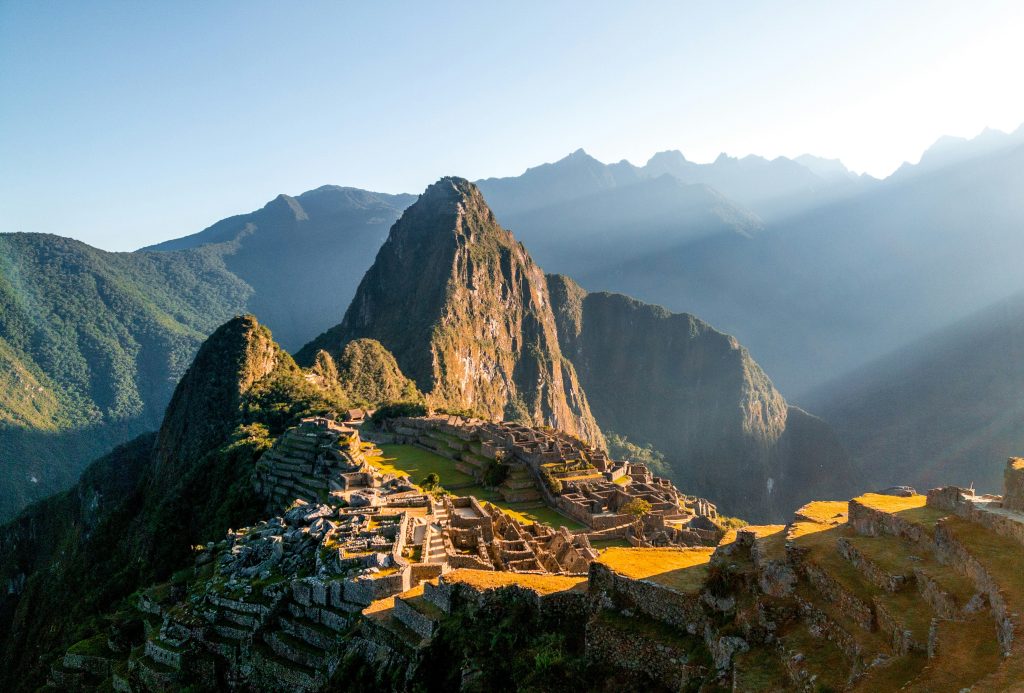
Most people planning a trip to Peru assume Machu Picchu works like any other big attraction: pick a date, buy a ticket, turn up. It doesn’t. Entry is capped each day, every ticket is tied to a circuit and an entry time, and getting to the gate from Lima takes a flight, a road transfer, a train and a bus. None of it is difficult, but the order you do things in matters.
This guide covers how tickets work, what sells out first, and each stage of the journey from Lima.
How Machu Picchu tickets work
Tickets are sold by Peru’s Ministry of Culture through its official platform, Tu Boleto (https://tuboleto.cultura.pe/llaqta_machupicchu). Three things are fixed when you buy:
- The date. Tickets can’t be moved to another day.
- The circuit. This is the route you follow through the site. It’s one-way, and you can’t switch circuits once you’re inside.
- The entry time. Slots run hourly from early morning into the early afternoon. You need to arrive within your slot.
Your ticket is issued in the name and passport number you enter, and you’ll show the same passport at the gate. A mismatch, even a typo, can be a real problem on the day. Check it twice.
A standard adult ticket for foreign visitors costs roughly US$50. Tickets that include Huayna Picchu or Machu Picchu Mountain cost more. Prices are set in soles and are reviewed periodically, so check the current figure when you book.
Which circuit should you choose?
There are three circuits, each divided into several routes:
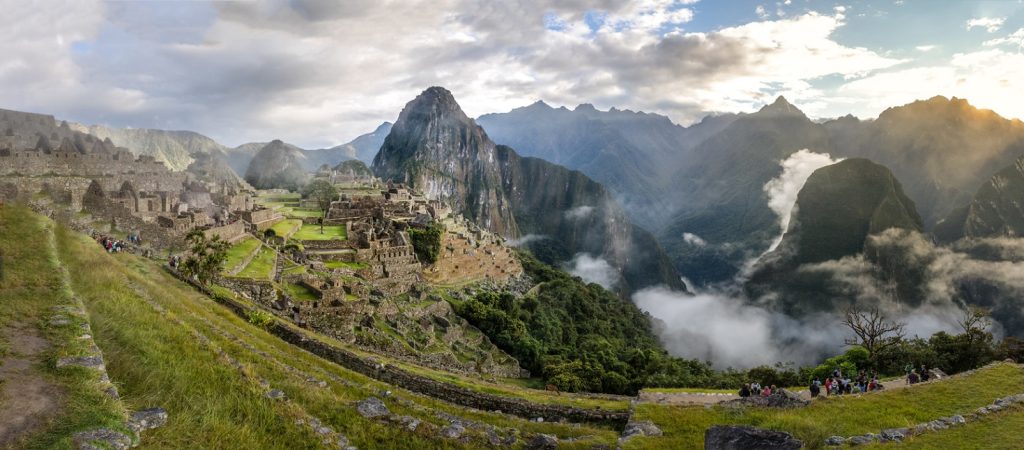
- Circuit 1 (Panoramic): the upper terraces and the classic postcard view. This circuit also includes the Machu Picchu Mountain route and, in the dry season, routes to the Sun Gate and the Inca Bridge.
- Circuit 2 (Classic): the most complete walk through the citadel, taking in both the upper viewpoint and the main temples and plazas. This is the one most first-time visitors should aim for, and we cover it in detail in Exploring Circuit 2.
- Circuit 3 (Royalty): the lower sections of the citadel. This circuit also includes the Huayna Picchu route and, in season, the Great Cavern and Huchuy Picchu.
If you only visit once, the circuit you choose shapes the whole experience. We explain each route in more detail in Machu Picchu Circuits Explained.
What sells out first
Not every ticket is equally hard to get. Roughly in order:
- Huayna Picchu. Numbers are small and it’s the ticket everyone wants. In the dry season it can go months ahead.
- Circuit 2 early-morning slots. The 6am and 7am entries on the classic circuit go quickly between May and September.
- Machu Picchu Mountain. This is easier than Huayna Picchu but still limited.
- Afternoon slots and other circuits. These are usually available closer to the date, except during Peruvian holidays.
For travel between June and August (see the best time to visit Peru), we recommend securing tickets three to six months in advance. For the rest of the year, six to eight weeks is usually enough, though Easter, late July (Fiestas Patrias) and the Christmas holidays behave like peak season.
A limited number of next-day tickets are also sold in person in Aguas Calientes. They’re useful as a back-up, but they involve queueing, often very early in the morning, and there’s no guarantee of the circuit or time you want. We wouldn’t build a trip around them.
Getting to Machu Picchu from Lima, step by step
There is no road to Machu Picchu and no direct route from Lima. Most travellers make the journey in these stages:
- Fly from Lima to Cusco (about 1 hour 20 minutes). Several airlines fly the route daily. Cusco sits at around 3,400 metres, so plan to arrive at least a day or two before your Machu Picchu date.
- Spend time adjusting to the altitude. Many itineraries head straight down into the Sacred Valley, which is lower than Cusco, and save the city itself for the end of the trip. It’s an easier way to acclimatise.
- Transfer to Ollantaytambo (about 1.5 to 2 hours by road). Ollantaytambo is the main departure point for trains to Machu Picchu. Some trains also leave from Poroy, just outside Cusco, though that station usually closes for part of the rainy season.
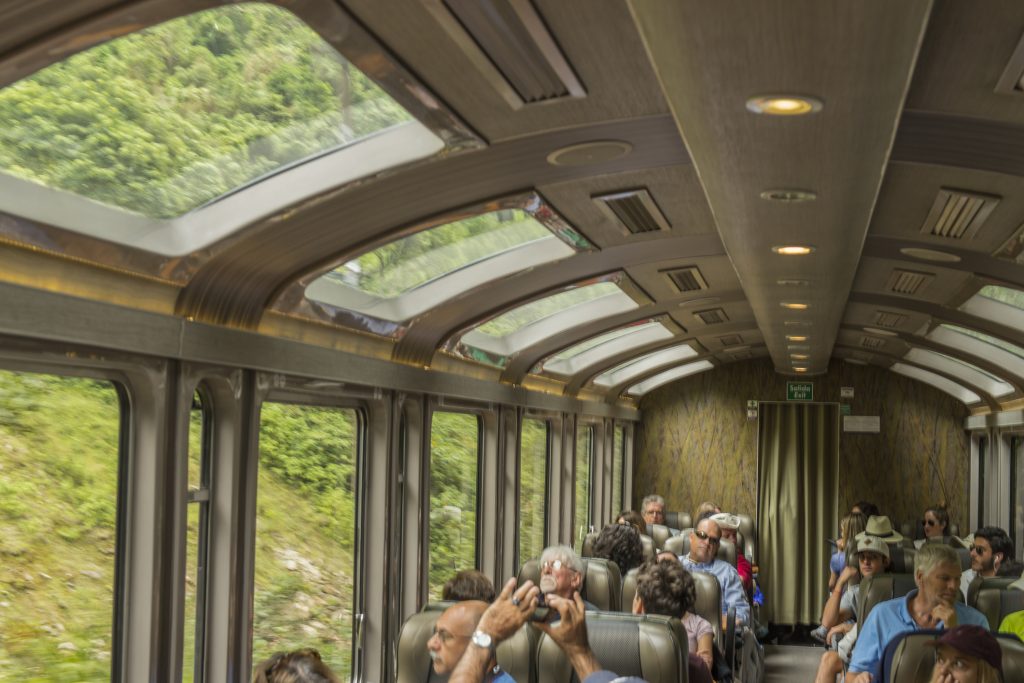
- Take the train to Aguas Calientes (about 1 hour 50 minutes). PeruRail and Inca Rail both run the route, following the Urubamba River through the valley. Trains sell out in high season too, so book them alongside your entrance tickets.
- Take the shuttle bus up to the entrance (about 25 to 30 minutes). Buses leave from the centre of Aguas Calientes (also called Machu Picchu Pueblo) and climb a series of switchbacks to the gate. You can walk instead, but it’s a steep hour or so on stone steps.
- Enter at your time slot. Bring your passport, your ticket and the essentials on our Machu Picchu packing list, and allow time for the bus queue, which can be long in the early morning.
This is why most travellers stay a night in Aguas Calientes, either before or after the visit (see 24 Hours in Aguas Calientes). It takes the pressure off the train times and makes an early entry slot far more realistic. For a sense of how Machu Picchu fits into a longer trip, see How Many Days Do You Need in Peru?
Common mistakes to avoid
- Booking the train before the ticket. Secure your entrance ticket first, since it’s the harder one to get, then fit the train around it.
- Cutting timings too fine. Leave a buffer between the train, the bus and your entry slot. Mountain routes like Huayna Picchu have strict start times.
- Assuming you can go back in. Once you leave, you can’t re-enter on the same ticket.
- Buying from unofficial resellers. Some sites add large mark-ups or sell tickets that don’t match your details. Buy from the official platform or through a licensed operator.
Leave the logistics to us
Tickets, trains, transfers and the timing between them are exactly the details we handle for every Into Peru traveller. We plan each trip around the circuit and entry time that suits you, with the right amount of time in the Sacred Valley beforehand so you arrive rested rather than rushed.
If you’re still at the early stage, download our free Peru trip planner. When you’re ready to talk dates, get in touch and we’ll put together a trip built around you.