


Machu Picchu introduced a circuit system a few years ago and it changed the way every visitor experiences the site. You can no longer wander freely across the entire complex. Instead, each ticket is tied to a specific route, a specific entry time, and a specific area of the site.
For many travellers, this comes as a surprise. They book flights, hotels, and train tickets and then discover that the Machu Picchu ticket itself requires several more decisions: which circuit, which time slot, and whether to add a mountain hike.
This guide explains every circuit clearly so you can book the right one for your visit.
Why Does Machu Picchu Use a Circuit System?
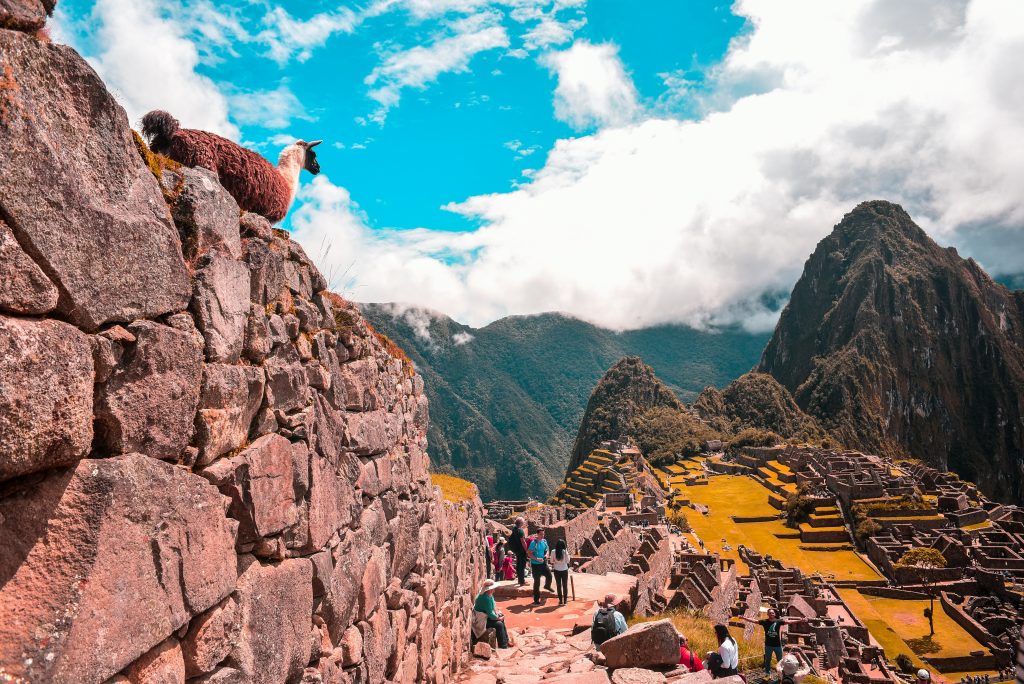
The circuit system was introduced to manage the number of visitors at the site and protect the archaeological structures. Before the system, crowds would gather in the same spots, particularly the famous postcard viewpoint and the unrestricted movement was causing wear to the stonework and grass terraces.
Today, each circuit follows a set one-way route. You enter at a specific time (morning or afternoon), follow your chosen path, and exit. You cannot backtrack or switch circuits once inside. This is why choosing the right circuit before you book matters.
Important: Machu Picchu tickets sell out weeks or months in advance during peak season (May to September). Always book as early as possible through the official government website:
https://tuboleto.cultura.pe/llaqta_machupicchu
The Four Main Circuits
Circuit 1: The Classic High Route
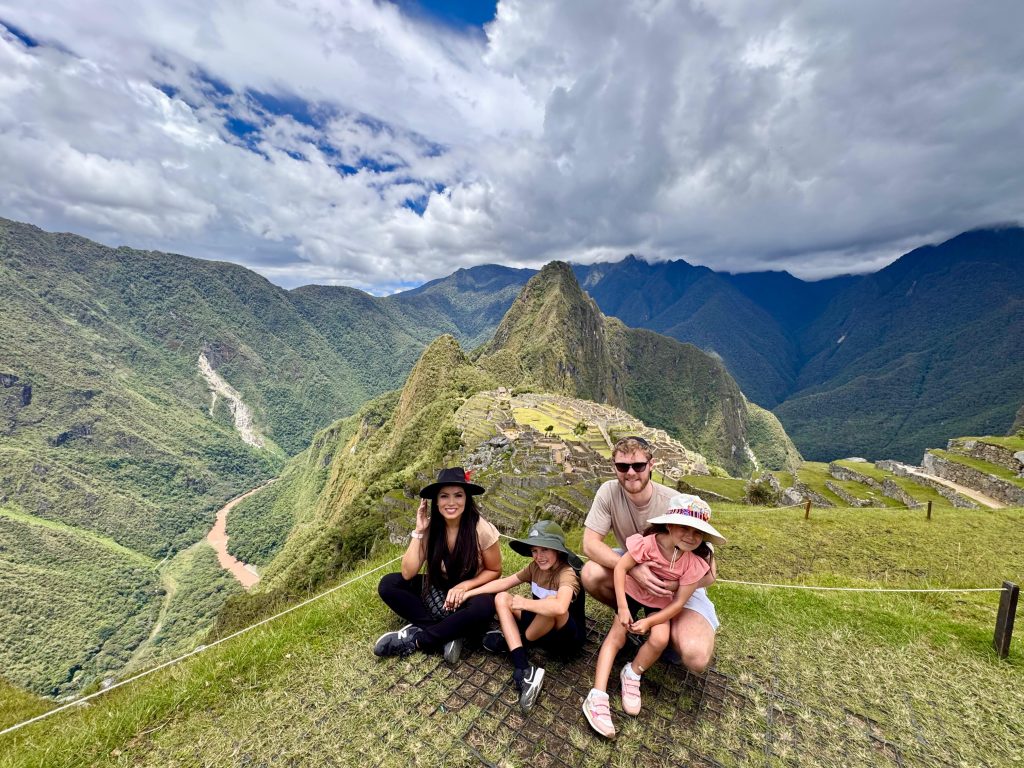
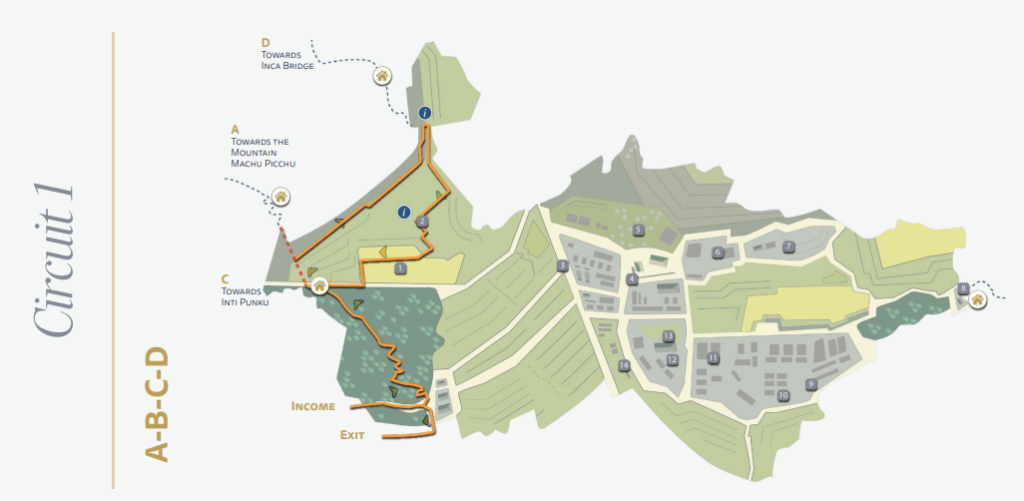
Circuit 1 is the most comprehensive route and the one we recommend for most first-time visitors. It follows the high path through the site, giving you sweeping panoramic views of the entire complex as well as access to the main ceremonial and agricultural areas.
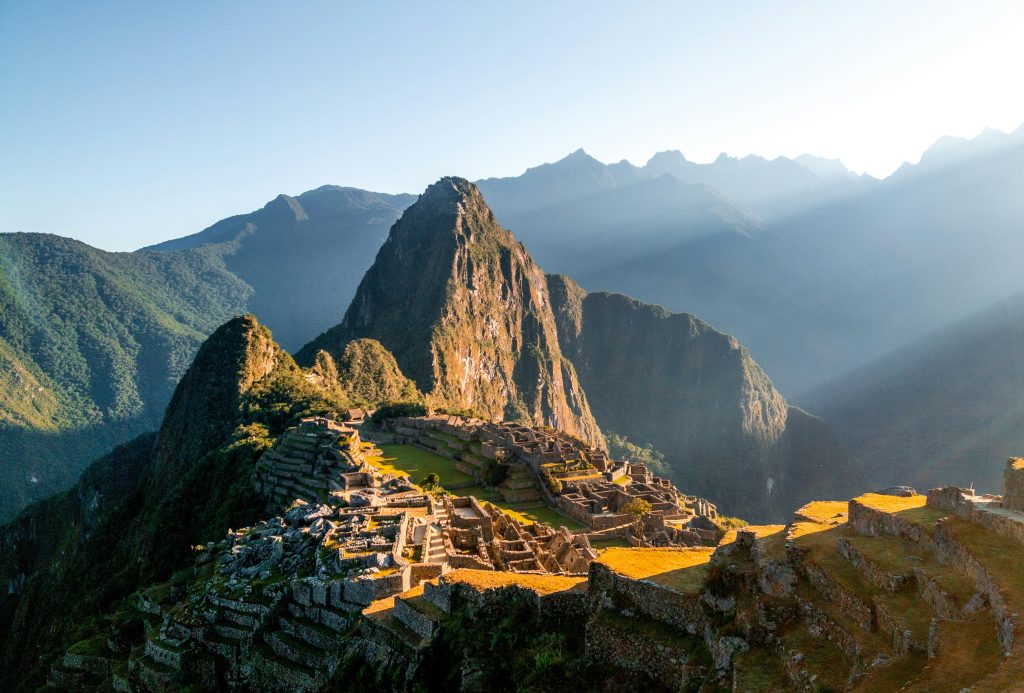
You’ll pass through the Sun Gate (Inti Punku) approach area, the famous postcard viewpoint where the classic photograph of Machu Picchu is taken, the agricultural terraces, the Temple of the Sun, the Royal Tomb, and the Intihuatana stone, the ritual sundial at the heart of the site.
The route is moderately long (around 2–3 hours at a comfortable pace) and involves some uphill walking, but nothing strenuous. The views from the high path are the best in the site.
Best for: First-time visitors who want to see the full panorama and the main ceremonial areas.
Circuit 2: The Lower Route
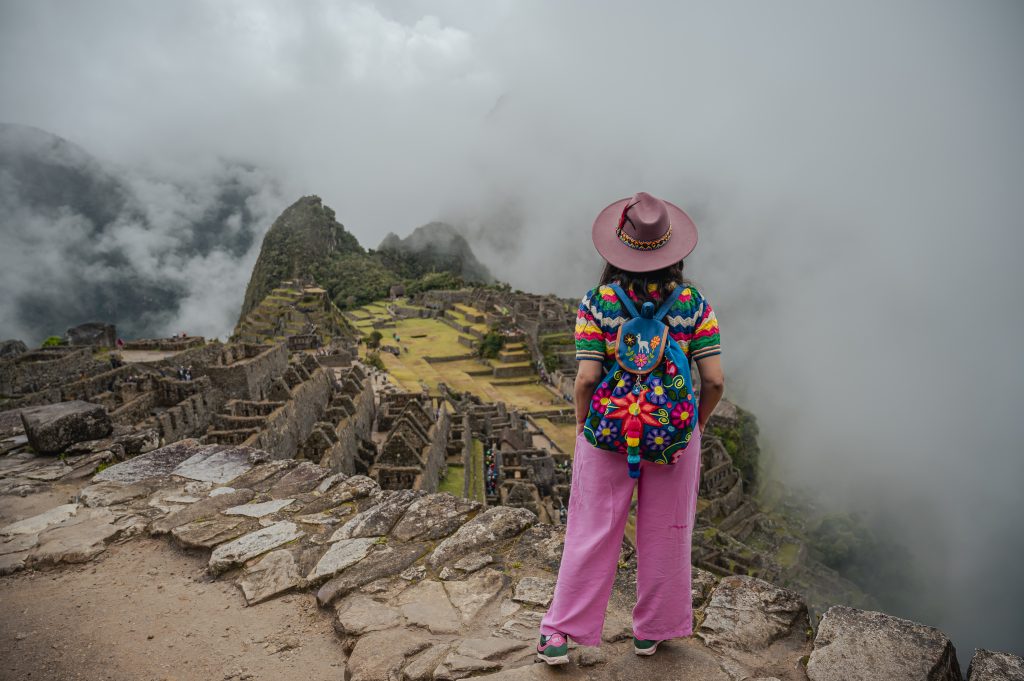
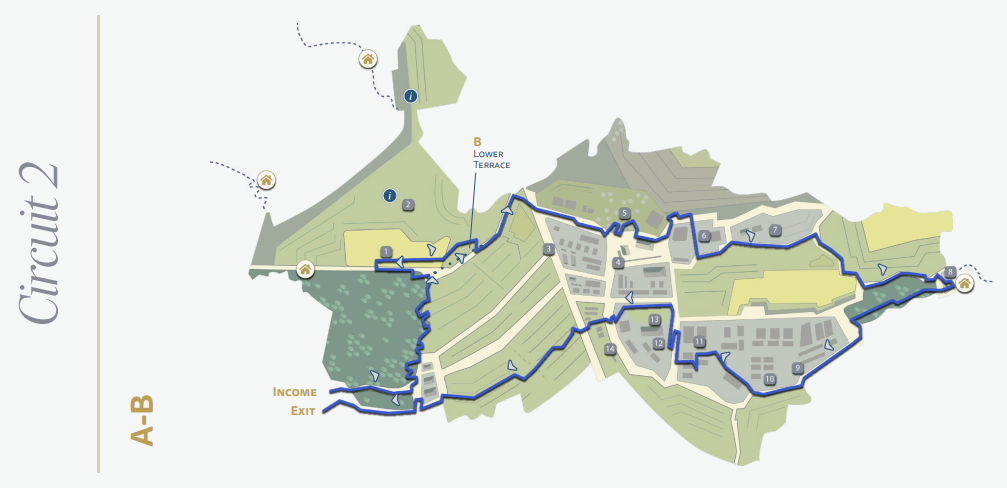
Circuit 2 follows a lower path through the site and is slightly shorter than Circuit 1. It still passes through the main temple complex, including the Temple of the Three Windows, the Principal Temple, and the Sacred Plaza, but skips the high panoramic viewpoint.
It’s a good option for visitors with limited time or those who find steep inclines difficult. The temples on Circuit 2 are arguably the most architecturally impressive in the entire site, the precision of the stonework in the Temple of the Three Windows has to be seen to be believed.
If you’ve visited Machu Picchu before and done Circuit 1, Circuit 2 offers a different perspective on the site’s interior spaces.
Best for: Visitors with mobility considerations, those short on time, or repeat visitors who want a different experience.
Circuit 3: With Huayna Picchu Mountain
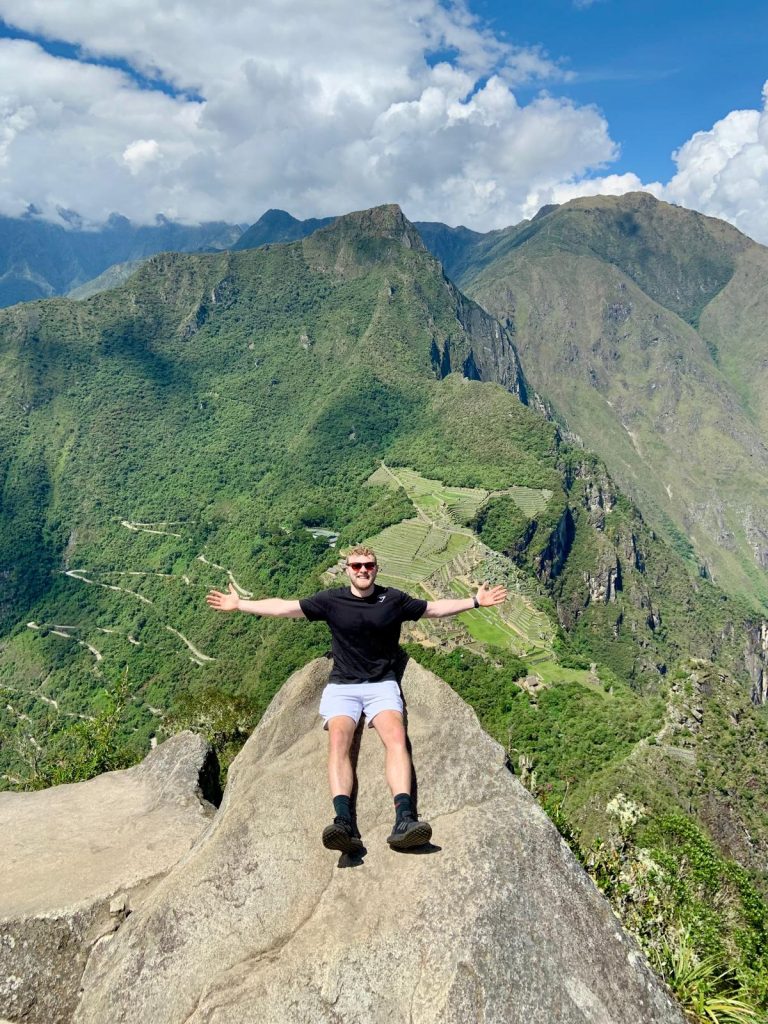
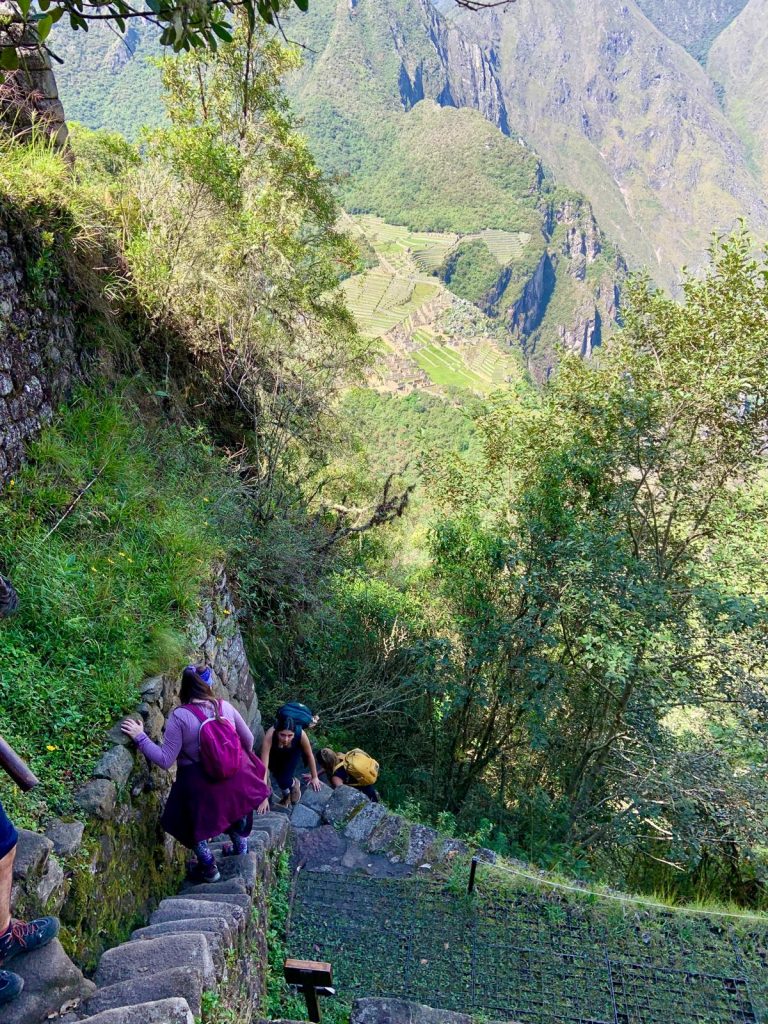
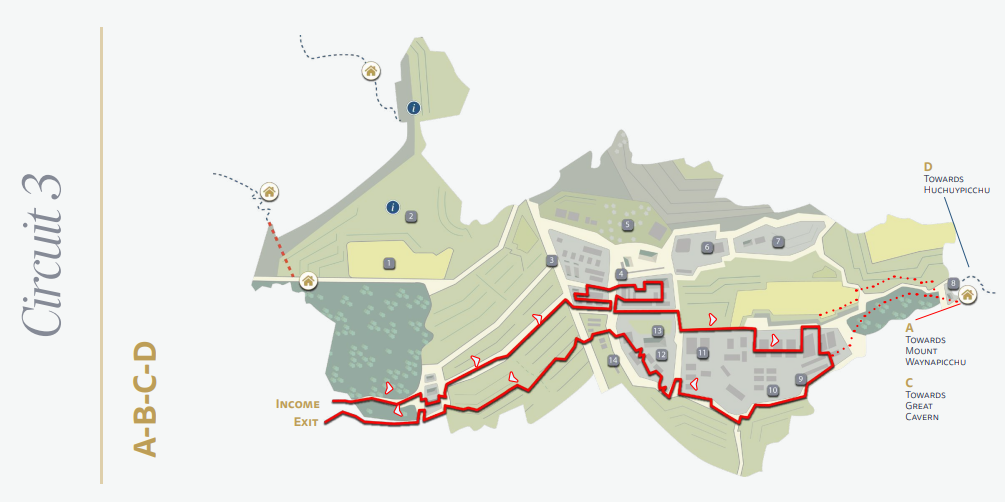
Circuit 3 combines the lower route through the site with the ascent of Huayna Picchu, the dramatic pointed peak that appears in the background of almost every famous photograph of Machu Picchu.
The climb to the summit takes between 45 minutes and 1.5 hours depending on fitness level. The path is steep, narrow in places, and involves fixed chains and stone steps cut directly into the rock. It is not recommended for those with a fear of heights or limited mobility, but the view from the top is absolutely extraordinary. You look down over the entire ruins with the mountains and valley spread below you.
Huayna Picchu tickets are strictly limited to 400 people per day (split across two morning entry slots) and sell out faster than any other ticket at the site. If this is what you want, book months in advance.
Best for: Fit and adventurous travellers who want the most dramatic view at the site. Book as far in advance as possible, these sell out first.
Circuit 3: With Machu Picchu Mountain
This circuit combines the lower site route with the ascent of Machu Picchu Mountain which is the larger, higher peak that rises behind the ruins on the opposite side from Huayna Picchu.
The climb is longer and more demanding than Huayna Picchu (around 1.5 to 2.5 hours to the summit) but the path is wider and less vertiginous. The view from the top is different from Huayna Picchu, broader and more expansive, showing the full sweep of the ruins, the valley, and the surrounding mountain range. Many people who have done both say Machu Picchu Mountain actually offers the better view.
Because Huayna Picchu gets more attention, Machu Picchu Mountain tickets are slightly easier to get — but they still sell out during peak season. The entry slots are limited to 800 people per day.
Best for: Travellers who want a mountain experience but prefer a less exposed climb than Huayna Picchu, or those who couldn’t get Huayna Picchu tickets.
Morning vs Afternoon Entry: Which Should You Choose?
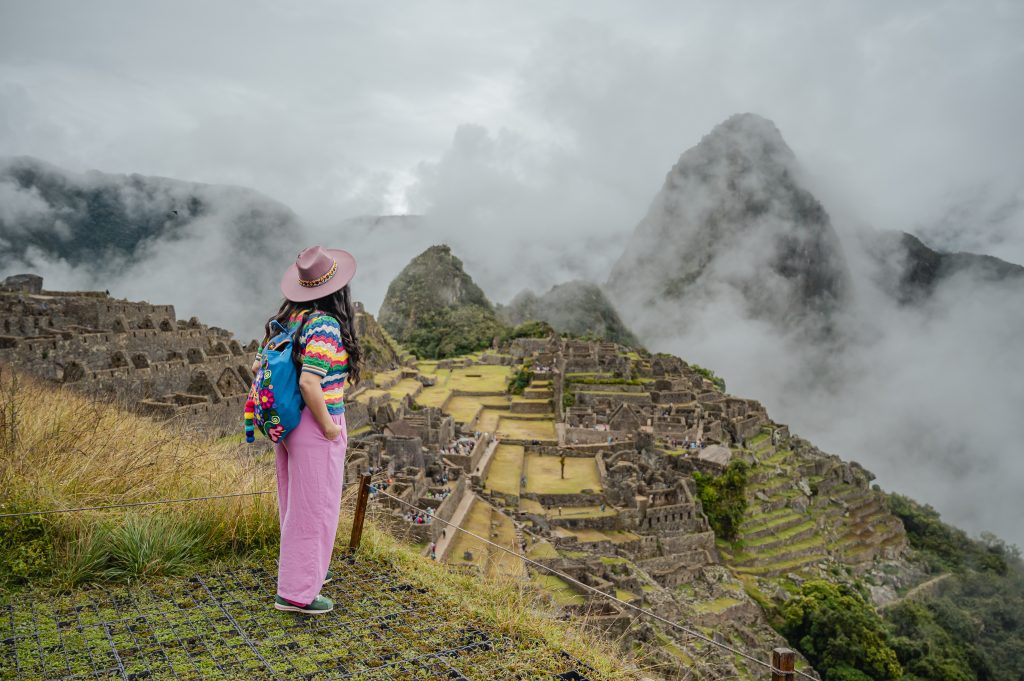
Each circuit offers morning entry (from 6am) and afternoon entry (from 12pm). Morning is almost always the better choice for several reasons.
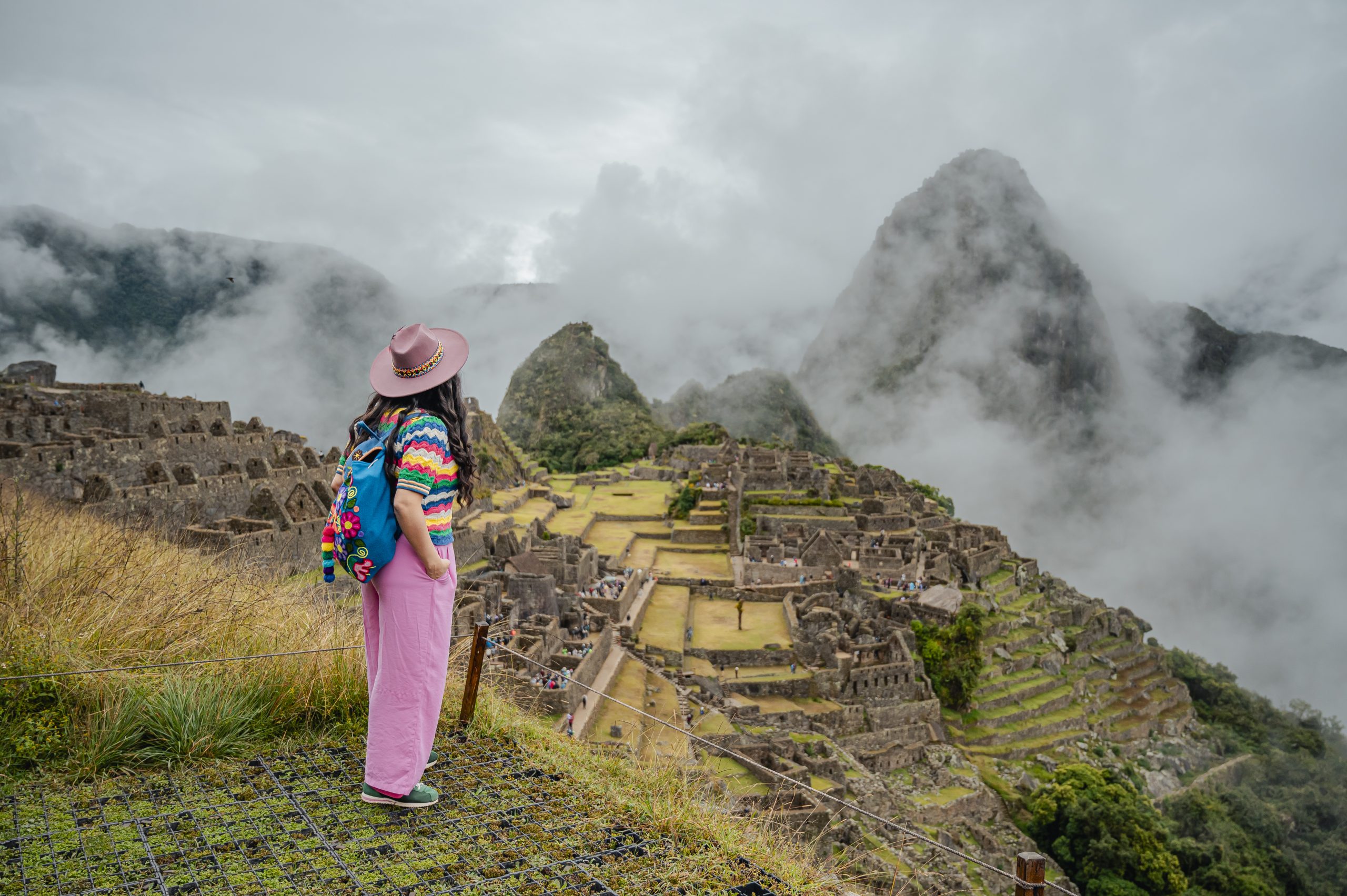
First, the light. The early morning sun on the grey stone ruins is genuinely beautiful, and the mist that often hangs in the valley below the site in the early hours creates an atmosphere that photographs can’t quite capture.
Second, the crowds. By 9 or 10am, the day-tripper tour groups start arriving from Cusco. The first two hours of the morning are by far the quietest.
Third, the weather. Afternoon can bring cloud and occasional rain, even in the dry season. Mornings are almost always clearer.
Afternoon entry works well if you’re arriving by the morning train from Cusco and want to go straight to the site, it’s a practical option rather than an ideal one.
Our recommendation: Book the earliest available morning slot. If you can stay overnight in Aguas Calientes, even better, you can be at the gates before 6am.
Our Honest Recommendation by Visitor Type
First-time visitor with one day at the site
Book Circuit 1, morning entry. This gives you the full panoramic view, the main ceremonial areas, and the agricultural terraces. Allow 2.5 to 3 hours inside.
Active traveller who wants a mountain
Book Circuit 3 with Huayna Picchu if you can get the tickets and book as soon as possible. If Huayna Picchu is sold out, Circuit 4 with Machu Picchu Mountain is an excellent alternative.
Visitor with limited mobility or time
Book Circuit 2, morning entry. The lower path is less demanding and still covers the most architecturally significant parts of the site.
Returning visitor
If you’ve done Circuit 1 before, try Circuit 2 for the detailed temple exploration, or go straight to one of the mountain circuits for a completely different experience.
A Note on Ticket Booking
Machu Picchu tickets are bought through the official Peruvian government website. The site can be slow and frustrating to navigate, particularly for international visitors. You’ll need a valid passport number to complete the booking, and tickets cannot be transferred or refunded.
During peak season, popular slots, particularly morning entry and Huayna Picchu can sell out 3 to 6 months in advance. If you have fixed travel dates, book your Machu Picchu tickets before you book anything else.
Need help with Machu Picchu logistics?
The Machu Picchu ticketing system is one of the most common sources of stress for travellers planning a Peru trip and one of the things we handle for every single one of our clients. We secure your tickets, book your train, arrange your transfers, and make sure you arrive at the right gate at the right time.
If you’d like us to take care of it or just want to talk through which circuit is right for your trip, book a free 30-minute call with our team: https://calendly.com/into-peru-info/30min
Patricia Woodland
Into Peru Team