
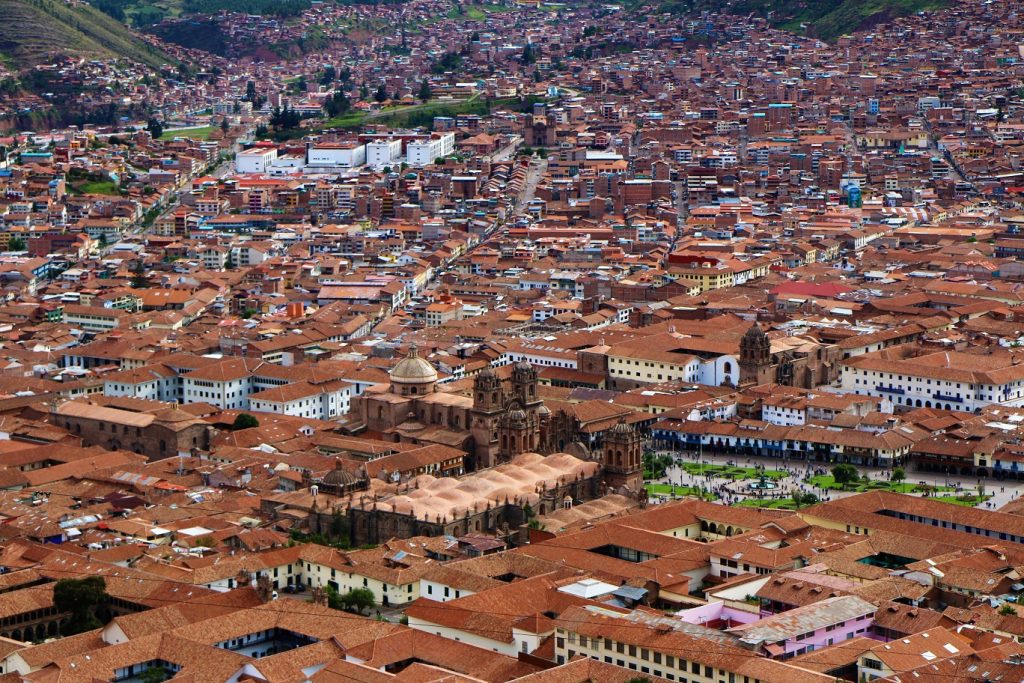
The best time to visit Peru is May to September. That is the dry season in the Andes, and it is when most people walk into Machu Picchu under clear skies. But it is not the whole answer. Peru is really three countries side by side: desert coast, high Andes, Amazon basin. The seasons work differently in each. The best month for the mountains is not the best month for the jungle, and neither is the best month for Lima.
Most trips take in at least two of these regions, so the best time to visit Peru depends partly on where you are going. How many days you have shapes the answer as much as the month does. Choosing when to travel means deciding which compromise suits you. Here is how the year actually works.
Peru’s three climates, briefly
Peru sits in the southern hemisphere, so the seasons run opposite to Europe and North America. But altitude matters more than latitude here. In a single day you can go from sea-level fog in Lima to 3,400m in Cusco, and the weather has nothing in common.
- The Andes (Cusco, the Sacred Valley, Machu Picchu, Lake Titicaca, Arequipa) have a dry season and a wet season rather than summer and winter.
- The Amazon is warm and humid all year. What changes is the water level.
- The coast is desert. Lima sees almost no rain at all, but it does have a long grey season.
The Andes: Cusco, the Sacred Valley and Machu Picchu
Dry season: May to September
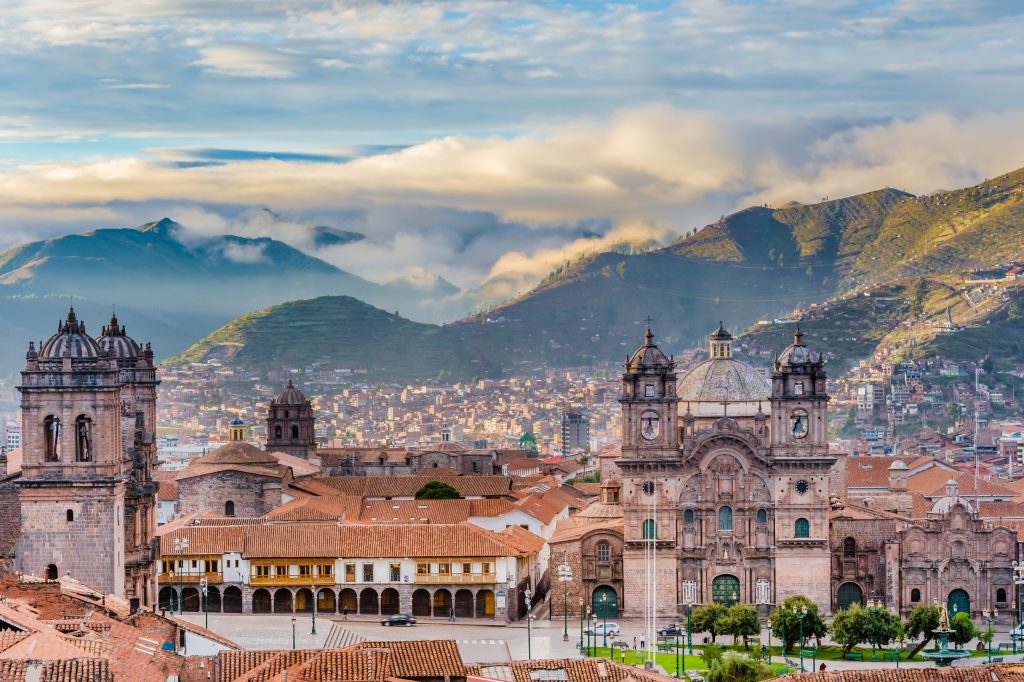
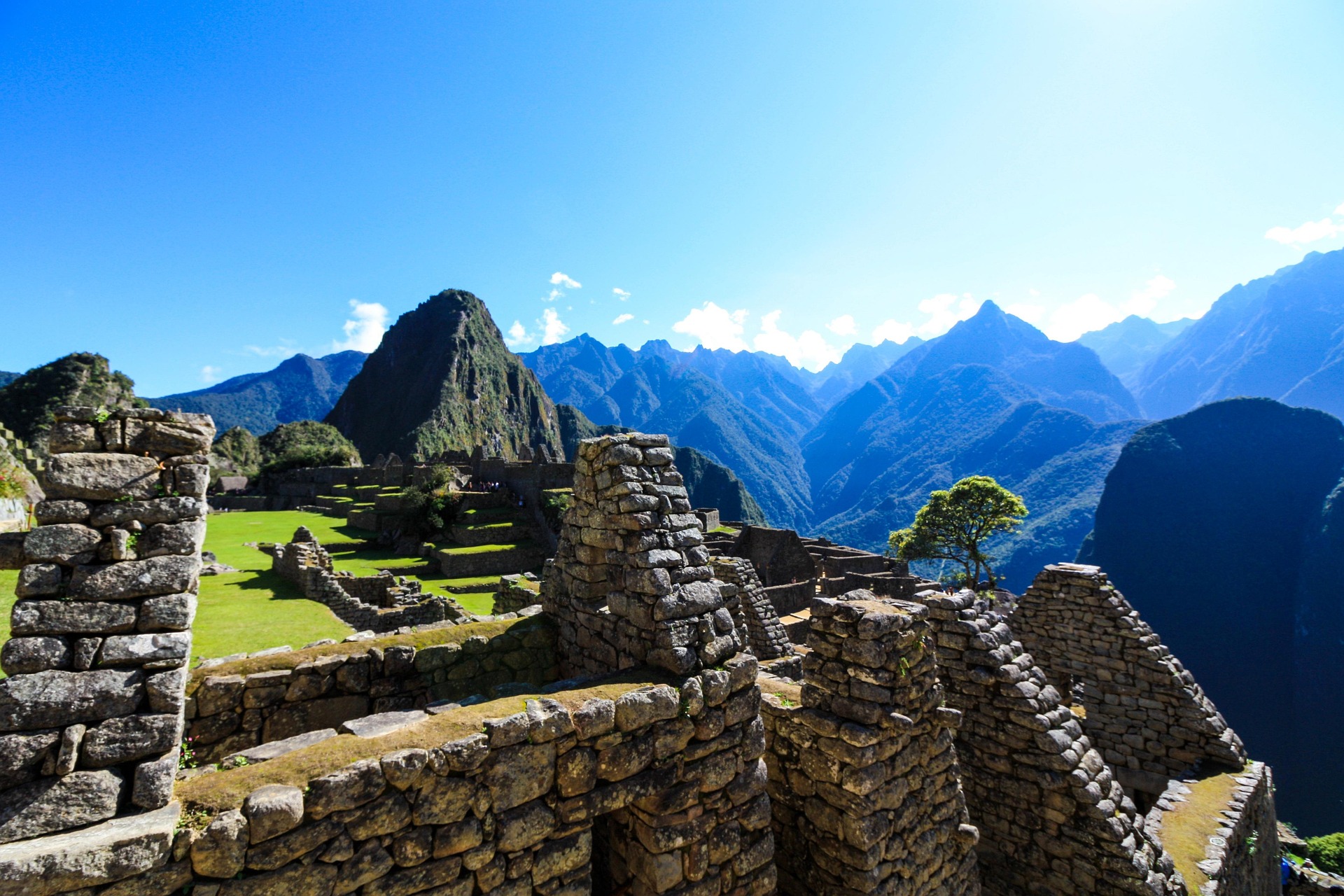
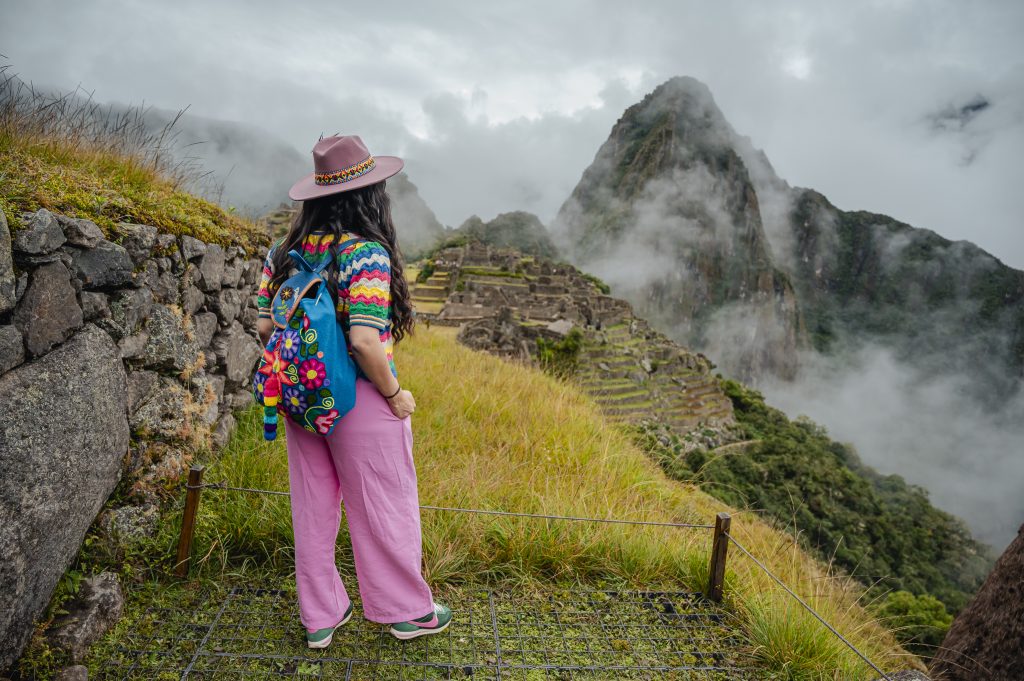
This is the classic window, and for most first-time visitors it is the best time to visit Peru. Days are bright and clear, rain is rare, and the mountain views are open. That last part matters when you have travelled a long way to look at them. Furthermore, trekking conditions are at their best and trails are reliably passable.
The trade-off is cold and company. Nights in Cusco and the Sacred Valley drop sharply once the sun goes down. In June and July, temperatures at altitude can fall to freezing after dark. Buildings are rarely heated. This is also the busiest and most expensive stretch of the year. Machu Picchu raises its daily capacity from 4,500 to 5,600 between 19 June and 2 November. As a result, Cusco fills accordingly.
If you want the postcard version of Peru, this is when it exists. So book early.
Wet season: November to March
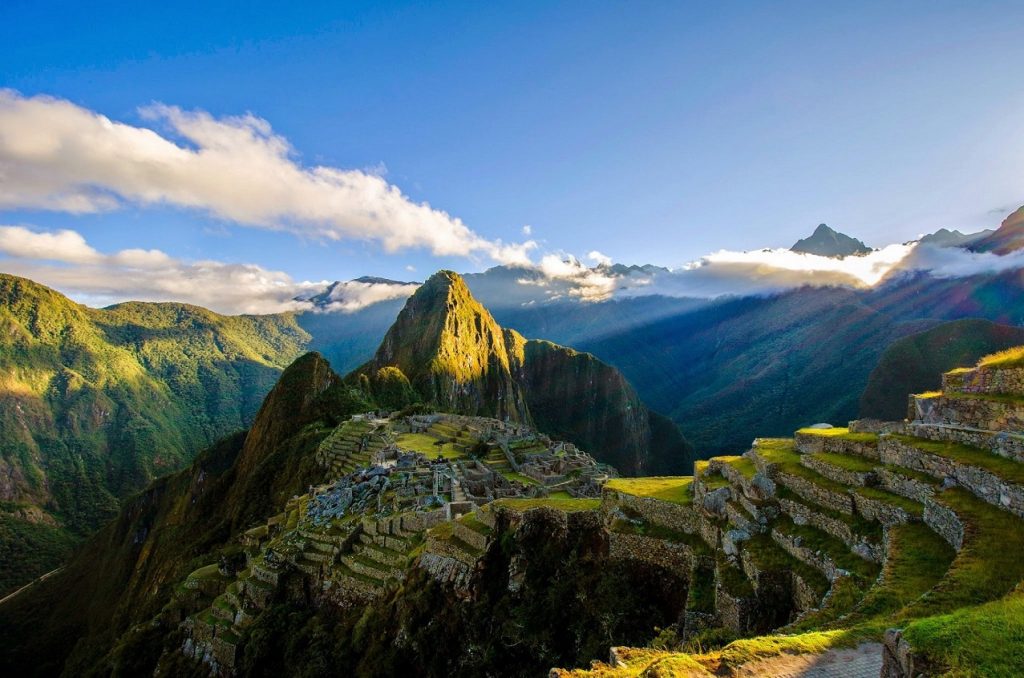
The wet season has a worse reputation than it deserves. Rain in the Andes tends to arrive as heavy afternoon showers rather than all-day drizzle, and mornings are often clear. The landscape is green in a way it simply is not in August, the ruins are quiet, and prices soften across hotels and flights.
The real considerations are practical. Cloud can sit over Machu Picchu and obscure the view for hours. Landslides occasionally disrupt the rail line to Aguas Calientes. The Inca Trail also closes for the whole of February for maintenance. Machu Picchu itself stays open, and alternative treks like Salkantay and Lares continue to run. Only the classic four-day route stops.
January and February are the wettest months. Still, December and March sit at the edges and are often better than expected.
Shoulder months: April and October
These two months are the ones we recommend most often to travellers who have some flexibility. April catches the tail of the rains with the countryside still green, and October is dry but not yet at peak volume. You get most of the dry-season weather with noticeably fewer people, and the difference in cost is real.
The Amazon: it is about water, not rain
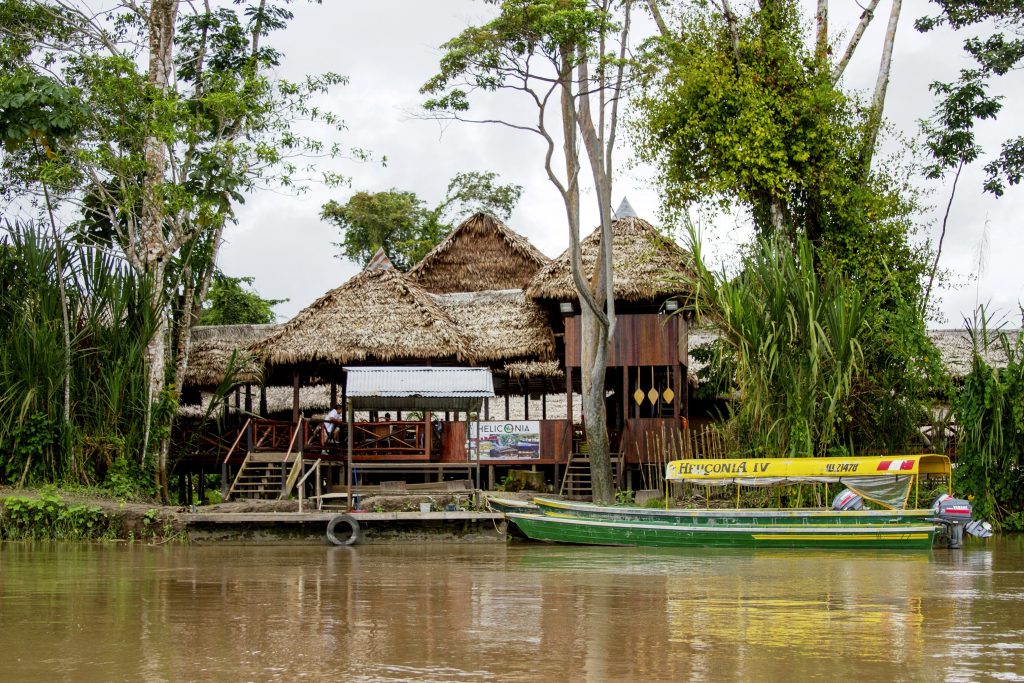
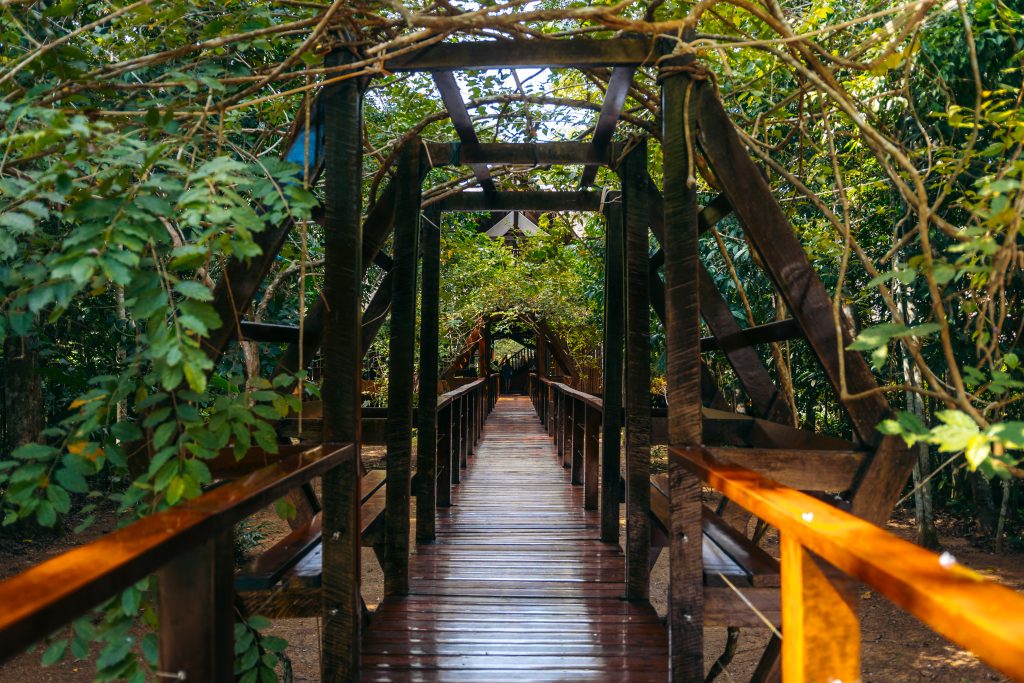
The Peruvian Amazon is reached from Puerto Maldonado in the south, or Iquitos in the north. It is warm and humid year-round, in the high twenties to low thirties Celsius. In fact, it rains in every month. What changes is the river.
High water, December to March. Rivers rise and flood the forest, which means boats can travel into channels that are dry ground for the rest of the year. You reach places you otherwise could not. Wildlife spreads out into the canopy, so sightings take more patience.
Low water, May to September. Rivers drop, exposing beaches and trails. Animals concentrate around the remaining water, which makes them considerably easier to find. In addition, walking is better. This is the stronger season for anyone whose main interest is wildlife.
Low water in the Amazon overlaps with the dry season in the Andes. A combined trip in June or July works well in both places.
The coast: Lima and the north
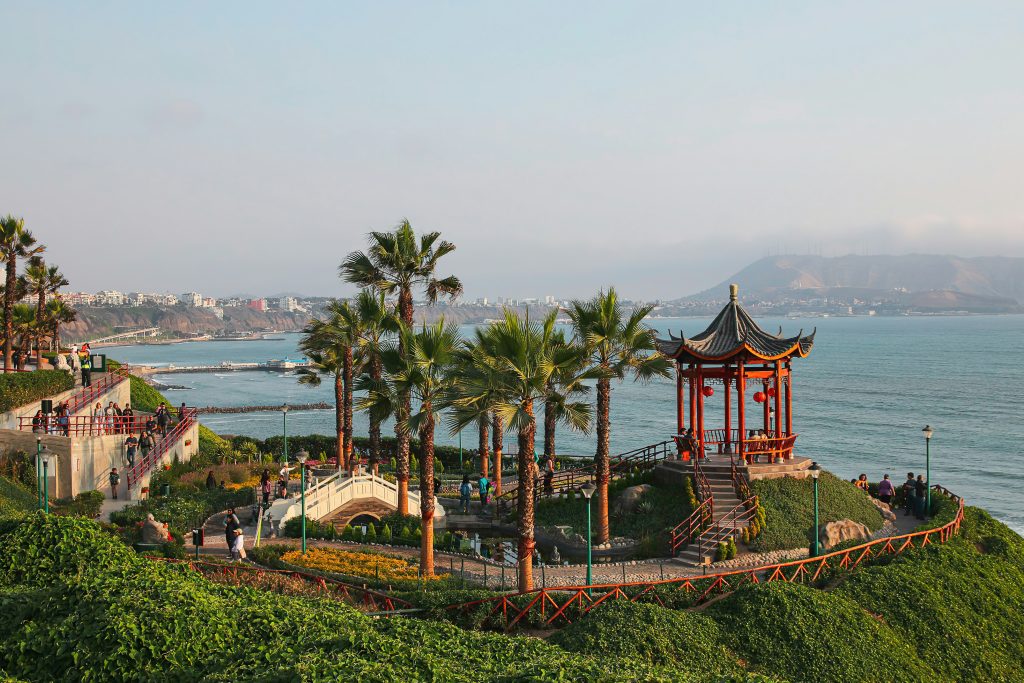
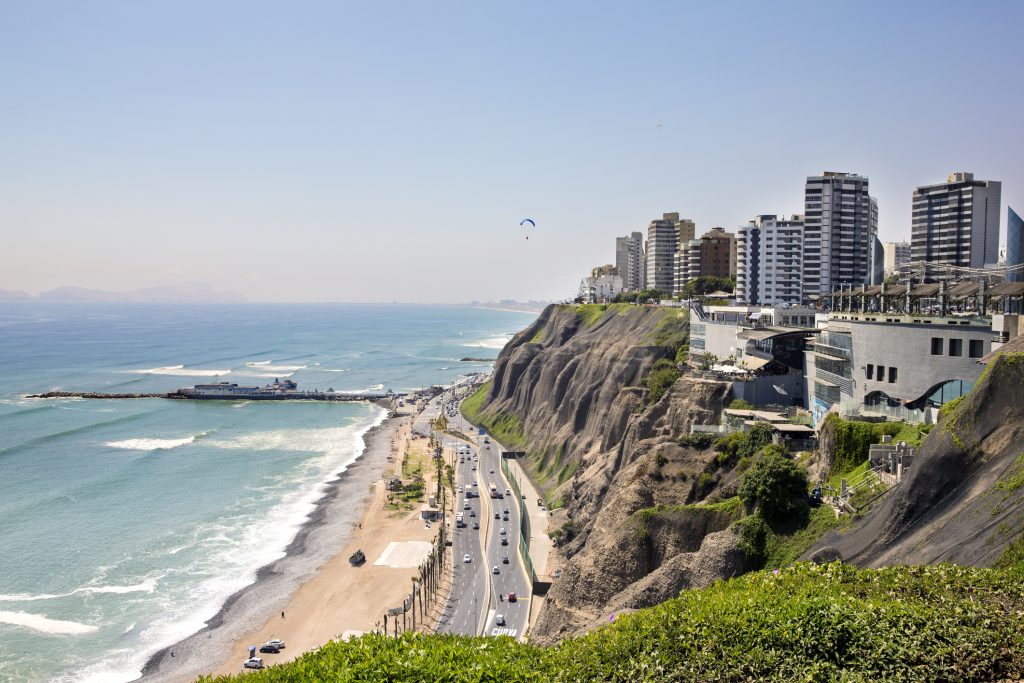
Lima confounds people who expect a South American city to be sunny. From roughly May to November the city sits under garúa. This is a low grey fog that rarely turns into actual rain, but it does block out the sun for weeks. It is mild rather than cold, and the food and museums are unaffected. It is simply not what most visitors picture.
From December to April Lima is warm and bright, and the coast comes into its own. The northern beaches around Máncora and the Piura region are at their best in this window. Planning real time on the coast, rather than a night either side of a flight? The southern-hemisphere summer is the better fit.
The desert sites further south — Paracas, the Nazca Lines, Huacachina — are reliable in any month.
Festivals worth planning around
Some dates are worth building a trip around, and some are worth stepping out of the way of.
- Inti Raymi, 24 June, Cusco. The Inca festival of the sun, staged at Sacsayhuamán. It is genuinely spectacular and it fills the city completely. Hotels and grandstand seats sell out months ahead, and rates across Cusco and the Sacred Valley rise for the surrounding week.
- Virgen de la Candelaria, early February, Puno. Thousands of dancers over roughly ten days, and one of the best folkloric festivals in South America. Puno books out solid, and so do Lake Titicaca day trips.
- Fiestas Patrias, 28 and 29 July. Peru’s independence holiday. Domestic travel peaks nationwide — internal flights, trains and buses fill with Peruvian families, not tourists. Book everything early or plan around it.
- Semana Santa, March or April. Holy Week is observed seriously, particularly in Ayacucho and Cusco. Dates move each year with Easter.
So when is the best time to visit Peru?
First trip, with Machu Picchu at the centre of it? Travel between May and September, and accept that you will be sharing the site. Those with more flexibility should look at April or October instead.
For the Amazon, the choice is between wildlife and access. May to September gives the better sightings. December to March lets you travel deep into flooded forest by boat.
For anyone weighing warm weather, empty ruins and lower prices against cloud and wet afternoons, the best time to visit Peru may well be the wet season. In fact, it is a better trip than most people assume. November and March are the safest months within it.
One practical note on booking
Whatever you decide is the best time to visit Peru, the fixed capacities are what force the timeline. Machu Picchu entry is capped daily and sold by circuit and entry slot through the Ministry of Culture’s official ticket portal. The combination you want can be gone well before the date. Inca Trail permits are more restrictive still, and for departures between May and September we would want them held around six months out. Train seats to Aguas Calientes and the better Sacred Valley hotels follow the same pattern.
For peak-season travel, four to six months of lead time is comfortable. For Inti Raymi or the last week of July, more.
If you would like help working out the best time to visit Peru for the trip you have in mind, get in touch. We build every itinerary from scratch, and the timing is usually the first thing we sort out.