

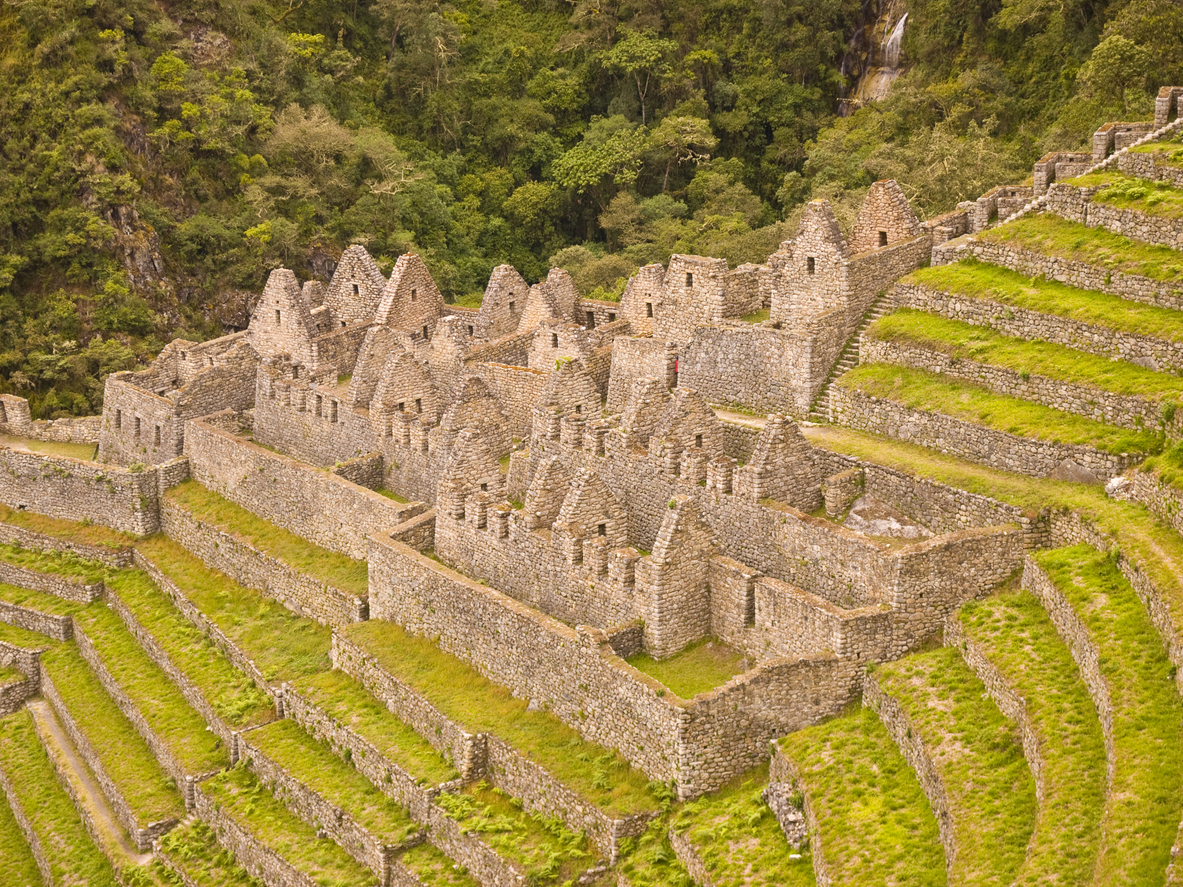

The Inca Trail is one of the most iconic treks in the world — a four-day hike through cloud forest and high Andean passes, ending with a sunrise arrival at Machu Picchu through the Sun Gate. But booking it is not as simple as showing up. Permits are limited, they sell out months in advance, and you cannot walk it independently. Here is exactly how to book it.
Understand the Permit System
The Peruvian government limits the Classic Inca Trail (the 4-day route) to 500 people per day — this includes trekkers, guides, porters, and agency staff. In practice, that means only around 200 trekkers can start on any given day. Permits are issued to licensed tour operators, not directly to individuals. You cannot walk the trail without a licensed guide, and you cannot book a permit yourself.
Every trekker must be named on the permit before departure. Once issued, permits are non-transferable and non-refundable. Your passport number is attached to your permit — bring the same passport on the trek.
How Far in Advance Should You Book?
For peak season (May to September), permits sell out 6 to 8 months in advance — sometimes more. If you want to trek in June or July, you should be booking in October or November of the previous year. April and October can also fill quickly as shoulder season picks up.
For the dry season months of June, July, and August, permits are often gone within days of becoming available. Waiting until three months out is a gamble. The earlier you commit to your dates, the better your chances of getting the days you want.
If you are flexible on dates, the wet season (November to March) is easier to book at shorter notice — though the trail is muddier and some sections can be slippery. The trail closes entirely each February for maintenance.
Book Through a Licensed Tour Operator
All Inca Trail bookings go through licensed Peruvian tour operators registered with the Ministry of Culture. You pay the operator, they secure the permit in your name. When comparing operators, check:
- That they are officially licensed (ask for their operator number)
- What is included — meals, camping gear, porters, entrance fees
- Group size — smaller groups give a better experience
- Porter welfare policies (reputable operators pay fair wages and limit porter loads)
Prices for the Classic 4-day trek typically start around $700–$900 USD per person for a group trek and $1,000–$1,500+ for a private departure. The Inca Trail permit fee itself (currently around $150–$200 USD for adults) is usually included in the operator’s price, but confirm this before booking.
Classic Trail vs 2-Day Inca Trail
If the 4-day Classic Trail is fully booked — or if four days of camping is not for you — the 2-day Inca Trail is an alternative. It covers the final stretch of the trail, starting from km 104 at Chachabamba and arriving at Machu Picchu via Wiñay Wayna. It requires the same permit system and a licensed operator, but is easier to book at shorter notice.
It is a solid option but a different experience — you miss the high passes and the sense of the full journey. For many people, the 4-day version is the one worth planning well ahead for.
What Is Included in an Inca Trail Package?
Most reputable operators include:
- Inca Trail permit and Machu Picchu entrance fee
- Train return from Aguas Calientes to Cusco (or Ollantaytambo)
- All meals on the trail (breakfast, lunch, dinner, snacks)
- Camping equipment — tent, sleeping mat, dining tent
- Porters to carry communal gear and food
- A licensed bilingual guide
- Bus ticket from Aguas Calientes up to Machu Picchu
Your personal porter (to carry your main bag) is usually an add-on. Most trekkers carry a daypack of 5–8 kg themselves and hire a porter for their main bag. It is well worth it — the trail gains over 4,000 metres at its highest point.
Packing Essentials
The trail crosses several climate zones. What you pack matters:
- Broken-in, waterproof hiking boots
- Warm layers — nights at altitude are cold even in dry season
- A good rain jacket and waterproof bag cover
- Trekking poles (your knees will thank you on the descents)
- Sun protection — the UV at altitude is intense
- Personal medication including altitude sickness tablets if your doctor recommends them
- A small daypack of 20–25 litres
- Cash in soles for tips (guides and porters)
The Bottom Line
The Inca Trail rewards those who plan early. If it is on your list, lock in your dates as far ahead as possible, choose a licensed operator with a strong reputation for guide quality and porter welfare, and come prepared for altitude. The trek itself more than lives up to the effort it takes to arrange.
At Into Peru, we handle all Inca Trail bookings for our clients — permits, operator, logistics, and the rest of your Peru itinerary. Get in touch to start planning your trip.