



Exploring Circuit 2 of Machu Picchu: The Complete Classic Experience
If you are planning your bucket-list visit to Machu Picchu, you have probably already discovered that the Peruvian Ministry of Culture now organizes visits to the citadel through a system of designated circuits. Among them, Circuit 2 — often called the “Classic Circuit” or “Designer Circuit” — is by far the most popular choice and the one we recommend to first-time visitors. It is the only route that combines the iconic postcard view from the upper terraces with a complete walking tour through the lower urban sector of the ancient city. In this post, we will walk you through exactly what to expect, what you will see, how long it takes, and a few insider tips to help you make the most of your day at the Lost City of the Incas.
What Exactly Is Circuit 2?
Since 2024, the Ministry of Culture has restructured visits into three main circuits, each subdivided into shorter routes. Circuit 2 is the most comprehensive of the standard options and is officially named the “Classic Machu Picchu Designer Route.” It is split into two variants: Circuit 2-A (Upper Terrace + Classic Designer Route) and Circuit 2-B (Lower Terrace + Classic Designer Route). Both versions give you access to the legendary panoramic viewpoint, and both then lead you down through the urban core of the citadel, where you can wander among temples, plazas, fountains, and stone-carved residences.
In short: if you want “the full Machu Picchu experience” in a single visit, Circuit 2 is the route you want.
Why Most Visitors Choose Circuit 2
There are several reasons Circuit 2 has become the favorite among travelers, guides, and photographers alike:
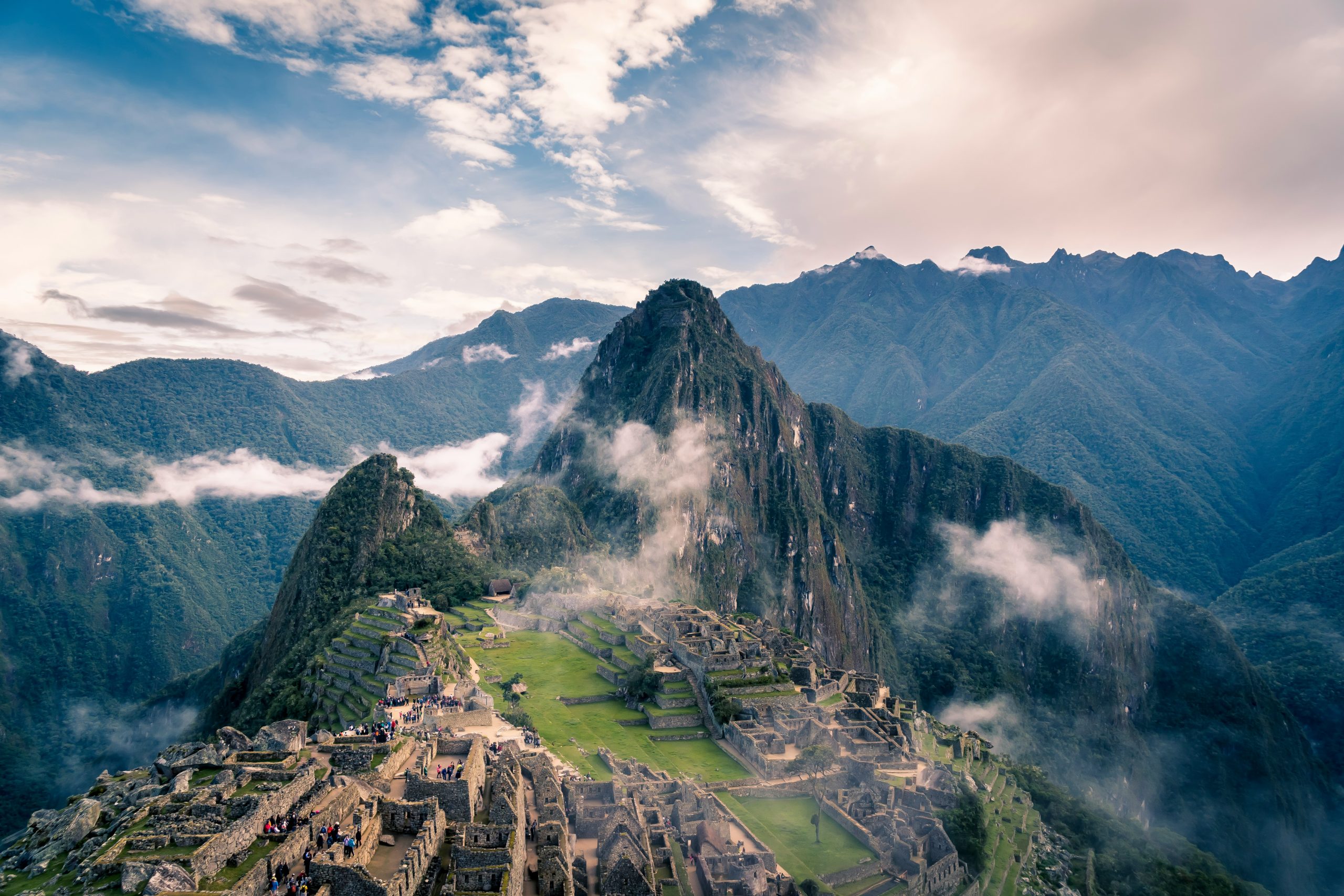
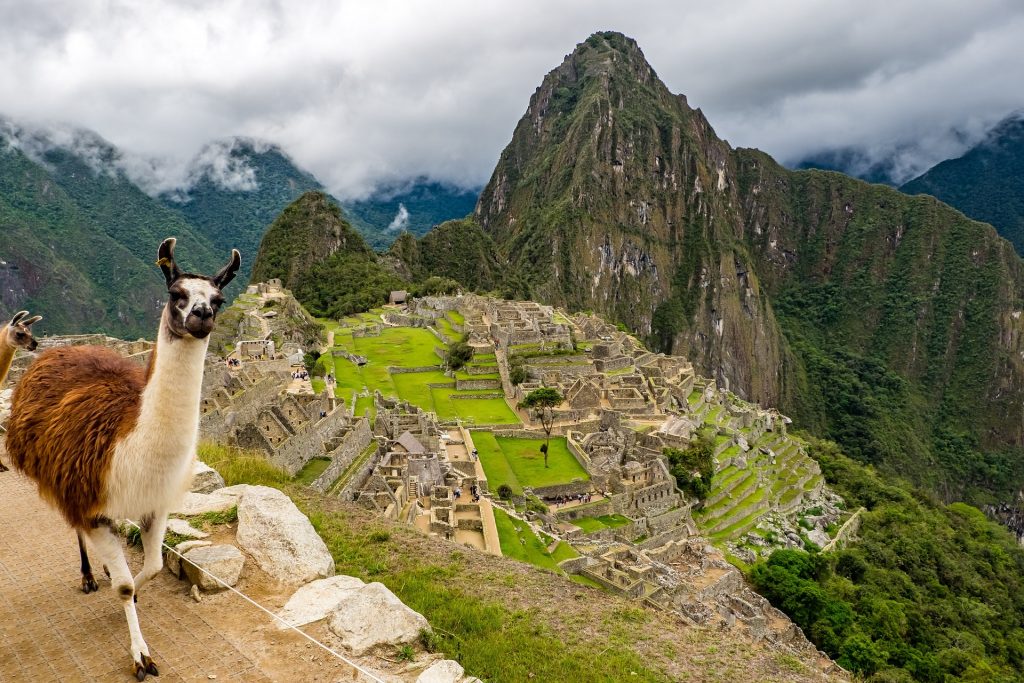
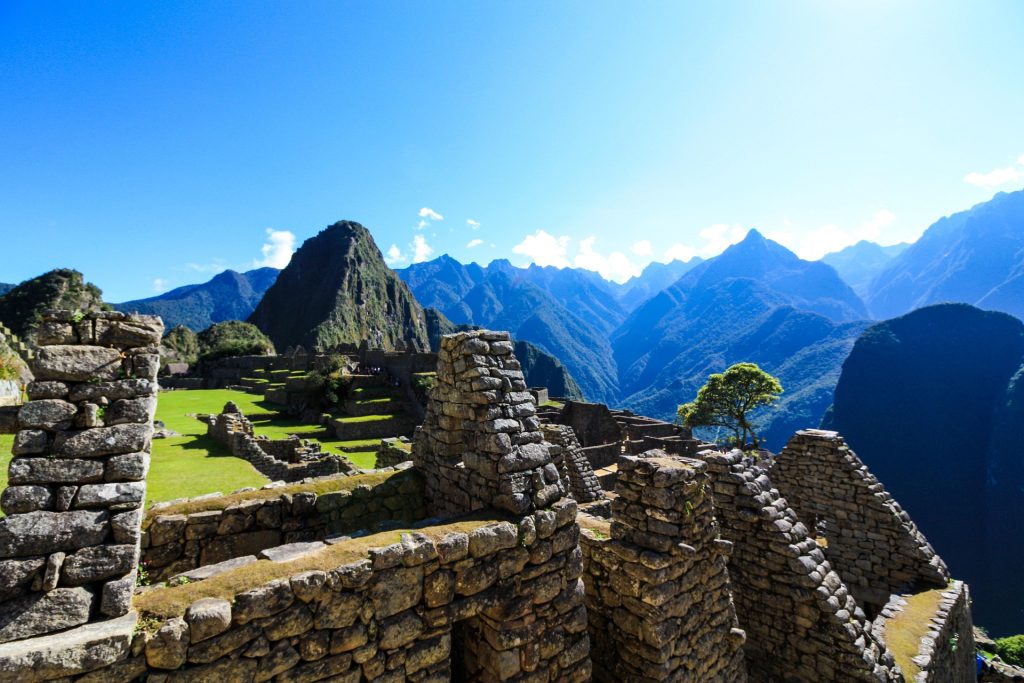
- The classic postcard photo. Circuit 2 is the only standard circuit (other than Circuit 1) that takes you up to the “House of the Guardian” area, where you get the world-famous panoramic view of the citadel with Huayna Picchu rising in the background.
- Access to the most important monuments. Unlike Circuits 1 and 3, Circuit 2 walks you directly through the Temple of the Sun, the Sacred Plaza, the Temple of the Three Windows, the Intihuatana, the Sacred Rock, and the Temple of the Condor.
- A balanced level of effort. It is more complete than Circuit 3 (which is shorter and stays in the lower section) but less demanding than the optional add-ons to Huayna Picchu or Machu Picchu Mountain.
- Best value for your entry ticket. You see roughly 70–80% of everything Machu Picchu has to offer in approximately 2.5 to 3 hours.
A Step-by-Step Walkthrough of Circuit 2
1. Arrival and First Impressions
After arriving in Aguas Calientes (Machu Picchu Pueblo) by train, you will take a 25-minute bus ride up the winding switchback road to the entrance gate at 2,430 meters (7,970 feet). Have your passport and your timed ticket ready — both are checked at the turnstile. Bathrooms and lockers are available only outside the gate, so plan accordingly, since you cannot bring large backpacks or food inside.
2. The Climb to the Classic Viewpoint
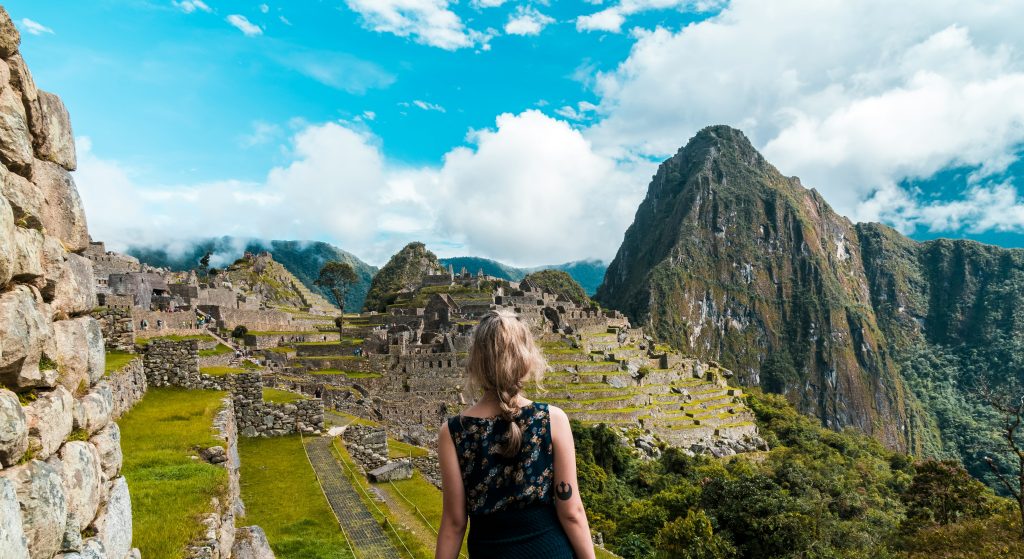
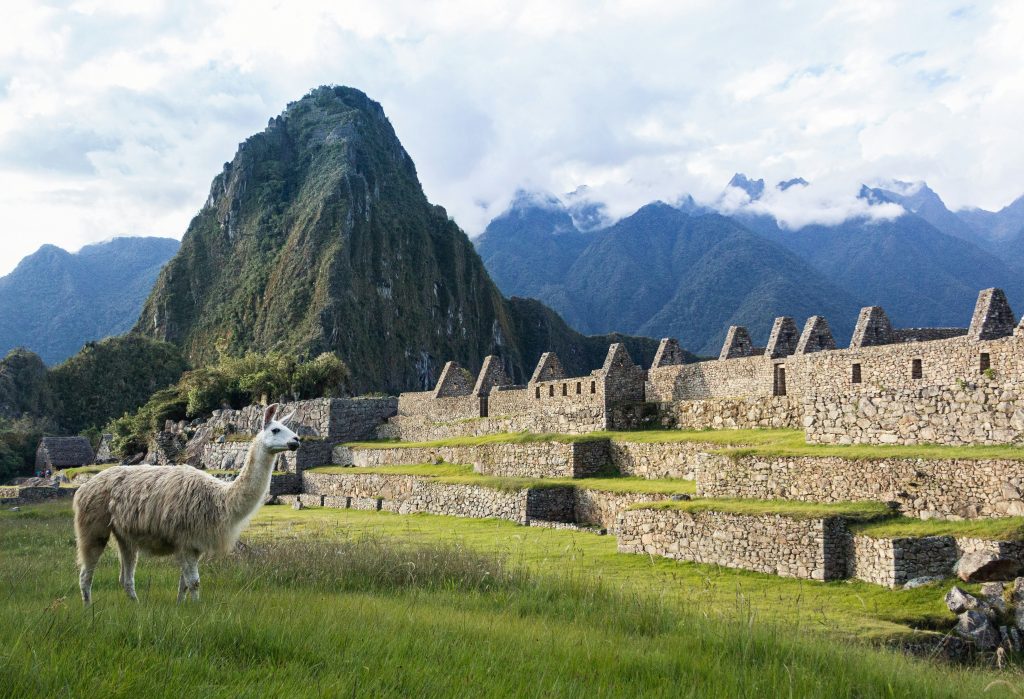
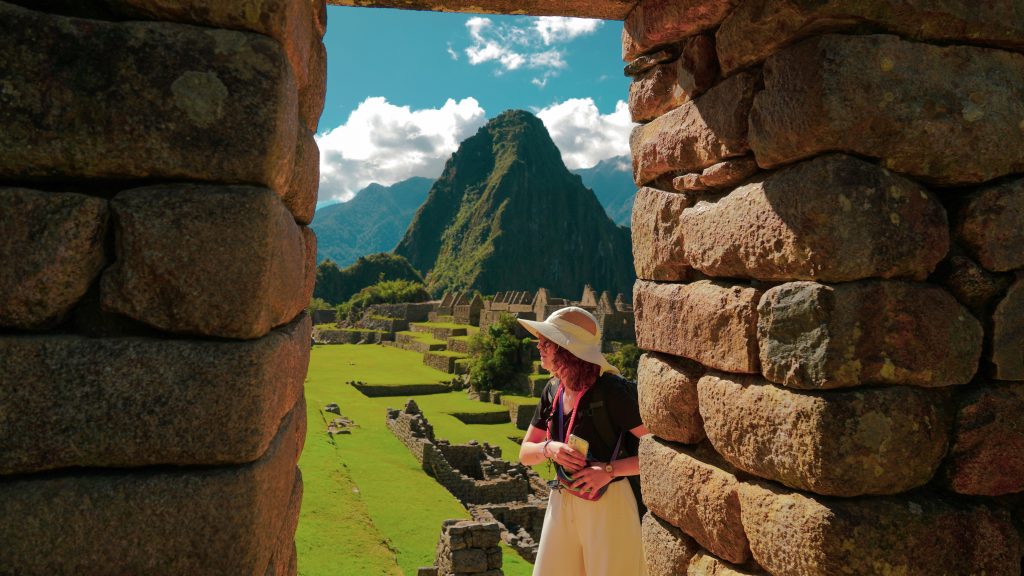
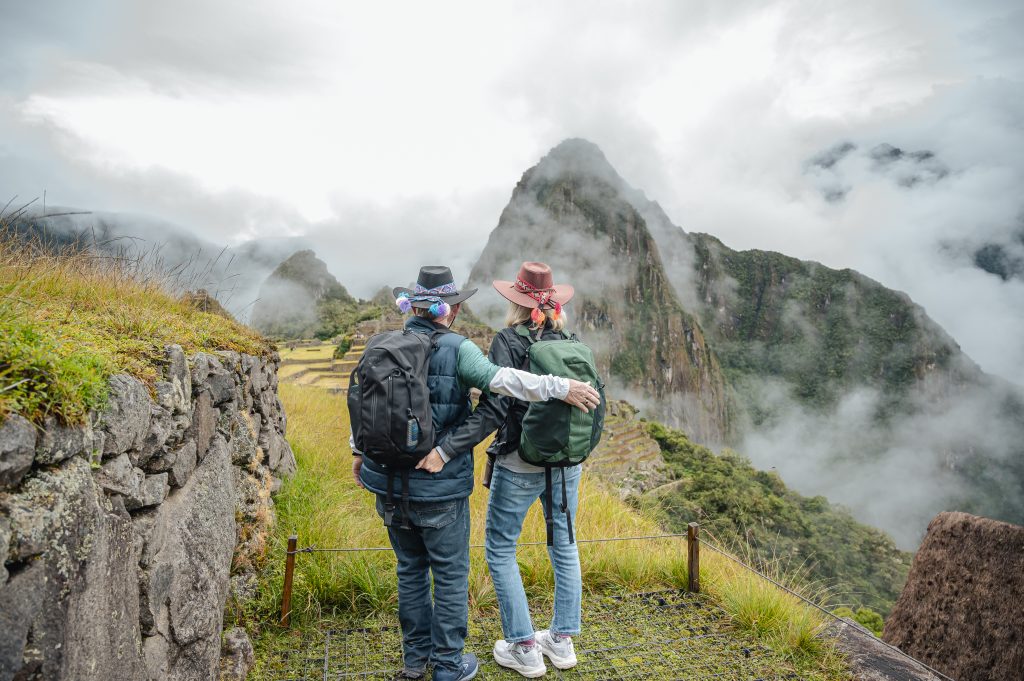
Once inside, Circuit 2 begins with a moderate climb up a series of stone steps and terraces. After about 10 to 15 minutes of walking — taking it slowly because of the altitude — you arrive at the iconic viewpoint near the House of the Guardian. This is where you will take “the photo.” Below you, the entire citadel unfolds: the green terraces cascading down the mountainside, the cluster of granite buildings, and the unmistakable peak of Huayna Picchu in the background. Most travelers spend 15 to 20 minutes here, soaking it in and taking pictures.
3. Descending Through the Agricultural Sector
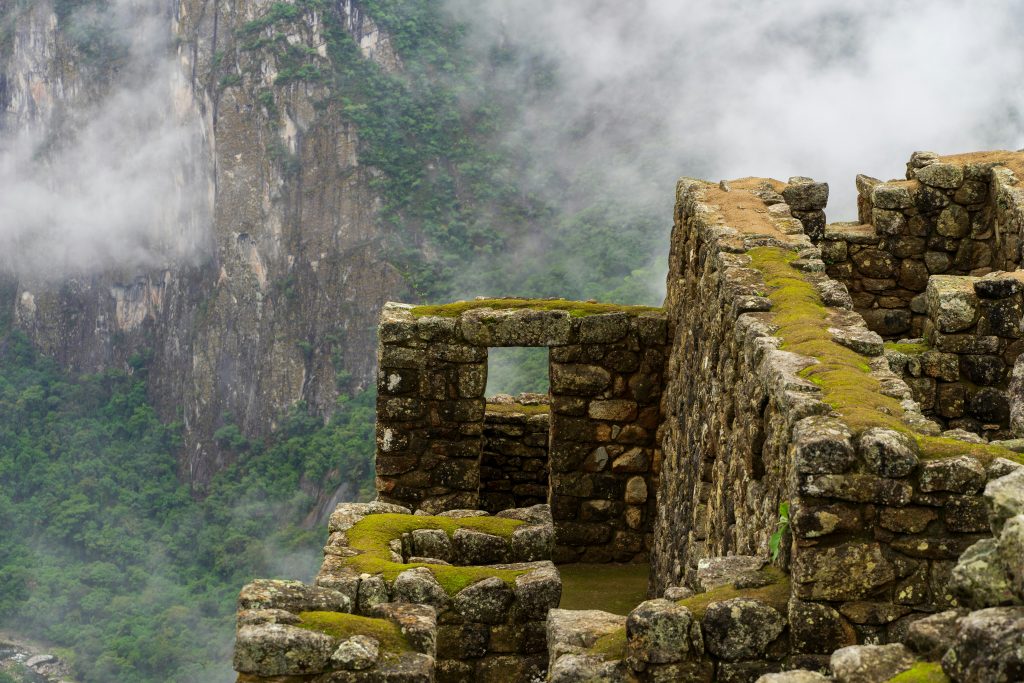
From the viewpoint, the path descends through the agricultural sector — a system of terraces the Incas used to grow corn, potatoes, and quinoa. The engineering here is extraordinary: the terraces also served as a drainage and stabilization system to prevent landslides. Look for the small stone canals that still channel rainwater today, more than 500 years after they were built.
4. The Dry Moat and Entrance to the Urban Sector
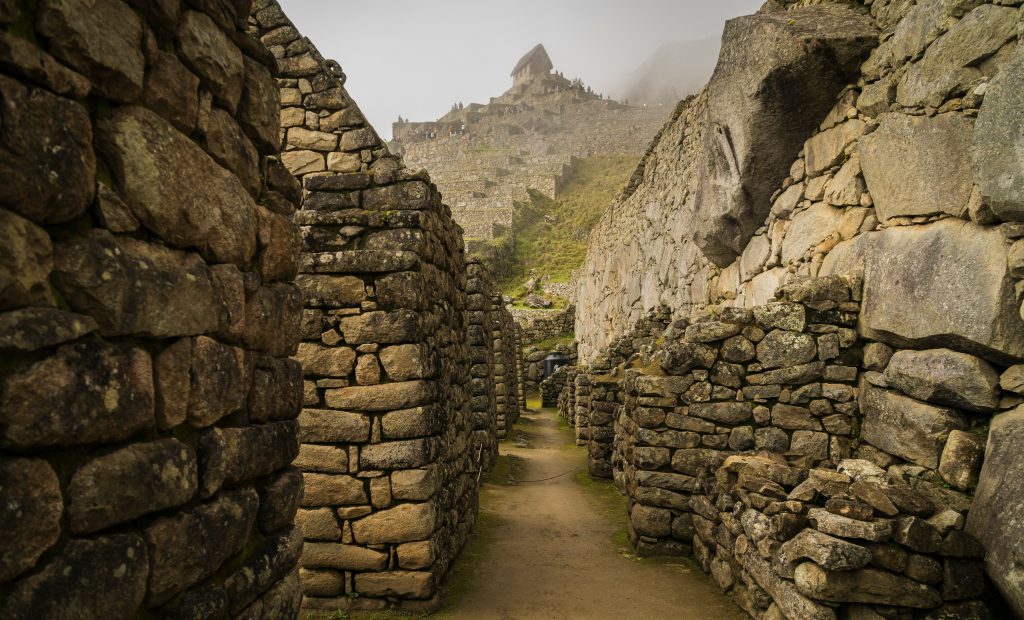
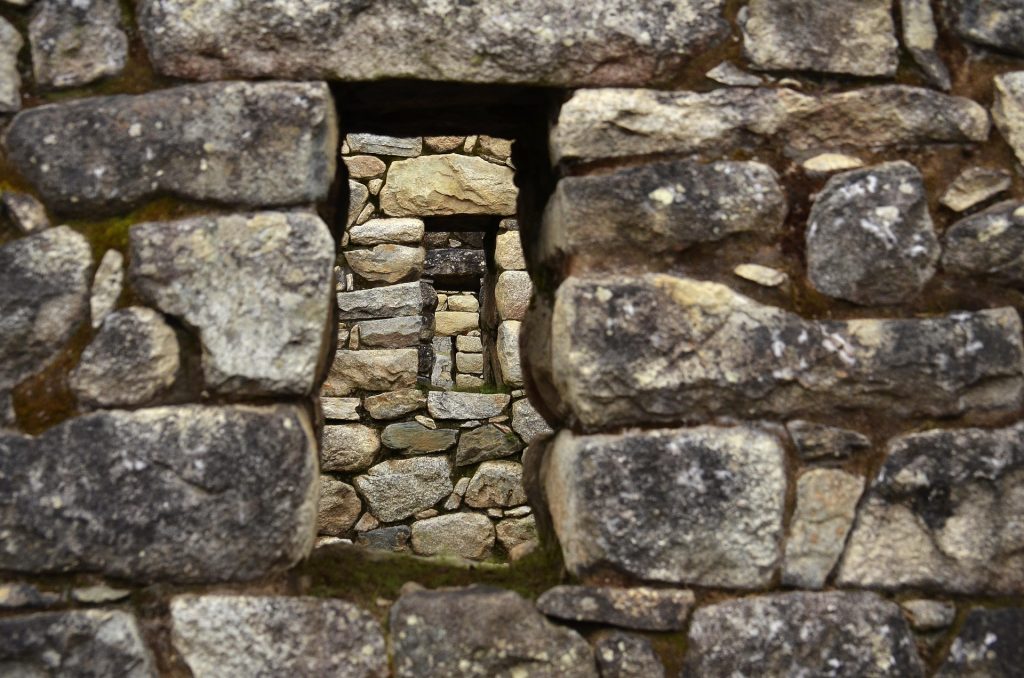
You will cross what archaeologists call the “dry moat,” a deliberate separation between the agricultural and urban zones. Beyond it, you pass through the main gate of the city and immediately notice the change in stonework: the buildings here are more refined, with the famous “ashlar” stones fitted so precisely that you cannot slip a sheet of paper between them.
5. The Temple of the Sun and the Royal Tomb
One of the first major monuments on the route is the Temple of the Sun, a graceful semicircular structure built around a sacred rock. During the June solstice, sunlight enters through one of its windows and aligns perfectly with the stone inside — a testament to Inca astronomical knowledge. Just below it, you can peek into the so-called Royal Tomb, an elegantly carved chamber whose exact ceremonial function is still debated.
6. The Sacred Plaza and Temple of the Three Windows
Climbing a short flight of stairs, you arrive at the Sacred Plaza, considered the religious heart of the citadel. Here you will see the Principal Temple, with its enormous foundation stones, and the Temple of the Three Windows, which gazes east toward the rising sun. According to one Inca legend, the three windows symbolize the three worlds: the underworld (Uku Pacha), the present world (Kay Pacha), and the upper world of the gods (Hanan Pacha).
7. The Intihuatana Stone
A bit higher up sits the Intihuatana, often translated as “the hitching post of the sun.” This carved granite monolith is one of the most important ceremonial objects at Machu Picchu and is believed to have functioned as an astronomical clock and ritual altar. It is one of the very few Intihuatanas that survived the Spanish conquest, since the conquistadores never found Machu Picchu.
8. The Central Plaza and Sacred Rock
From the Intihuatana, the path descends to the wide grassy Central Plaza, which separates the sacred sector from the residential and industrial areas. On the far north side, you will find the Sacred Rock, a tall stone slab whose silhouette mirrors the shape of the mountain range behind it — a perfect example of how the Incas considered the landscape itself to be alive and divine.
9. The Industrial Sector and Water Mirrors
Continuing the route, you walk through the industrial or “workers’” sector, where you can see compact stone houses arranged around small courtyards. A highlight is the so-called Temple of the Mirrors (or Water Mirrors), where two shallow circular basins carved into the floor were filled with water and likely used to observe the movement of stars and constellations.
10. The Temple of the Condor
Circuit 2 culminates at one of Machu Picchu’s most striking monuments: the Temple of the Condor. Two natural stone outcrops form the spread wings of a giant condor in flight, while a triangular stone on the ground represents the bird’s head and neck collar. The condor was the sacred messenger between the human world and the gods, and standing here, you understand why this spot was chosen.
11. Exit Through the Lower Gate
From the Temple of the Condor, a short final path leads you back to the exit. Note that Machu Picchu is now strictly one-way: once you leave the urban sector, you cannot go back in without buying a new ticket.
Practical Information for Circuit 2
Duration and Difficulty
The complete Circuit 2 takes approximately 2.5 to 3 hours, walking at a relaxed pace with stops for photos and explanations. The total distance is around 3 kilometers (about 1.9 miles) with moderate ups and downs. The most challenging part is the initial climb to the viewpoint, but the rest of the circuit is mostly flat or downhill. Travelers in reasonable physical shape can handle it without trouble, though the altitude (2,430 m / 7,970 ft) can make you breathe harder than usual.
Best Time of Day
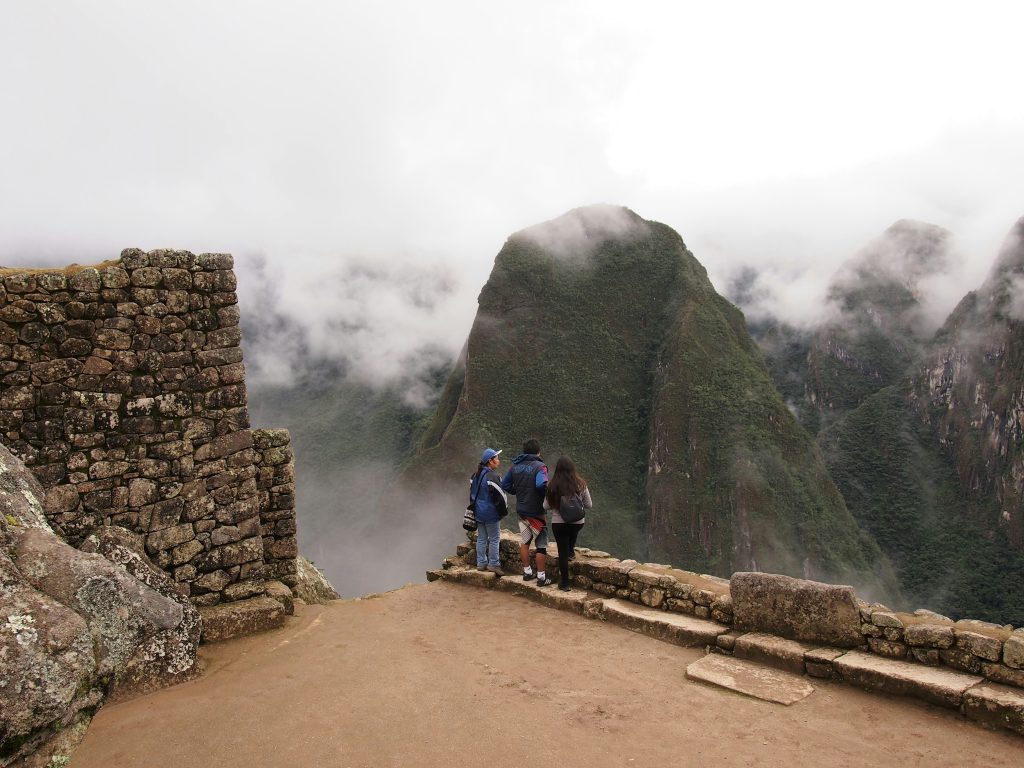
Entry times are now strictly scheduled. Morning slots (6:00 a.m. and 7:00 a.m.) are the most magical — clouds often drift through the ruins, creating an almost surreal atmosphere. Afternoon slots (after 12:00 p.m.) tend to have clearer skies and softer light for photography, plus fewer crowds. Both are excellent; the choice depends on your preference.
Tickets
Circuit 2 tickets are released by the Ministry of Culture and frequently sell out 1 to 2 months in advance during high season (May through September). Each ticket is for a specific date and entry time. You must enter within the assigned hour and complete the circuit in one continuous visit — there is no re-entry.
Hiring a Guide
An official guide is highly recommended (and on certain ticket types, mandatory). A good guide turns a beautiful walk into an unforgettable journey through Inca cosmology, history, and engineering. Group guided tours along Circuit 2 typically last 2 to 2.5 hours.
What to Bring
- Your passport (the same one used to buy the ticket)
- A printed or digital copy of your ticket
- Comfortable hiking shoes with good grip — the stones can be slippery
- A light rain jacket or poncho, even in the dry season
- Sunscreen, sunglasses, and a wide-brim hat
- A reusable water bottle (1 liter is enough)
- Insect repellent (especially during the rainy season)
- A small daypack — large backpacks (over 25L) are not allowed inside
What Is NOT Allowed
Tripods, selfie sticks, drones, large backpacks, food, plastic water bottles (only reusable ones), umbrellas (use a poncho instead), and walking sticks unless they have rubber tips and you have a medical need. There are no bathrooms inside the citadel — use the ones at the entrance before going in and make sure you have cash to pay for them.
Combining Circuit 2 with Other Experiences
If you have the time and energy, Circuit 2 pairs beautifully with several optional add-ons. Huayna Picchu Mountain offers a steep but spectacular 2-hour climb to the peak that towers over the citadel in every classic photo. Machu Picchu Mountain is a longer, less crowded alternative with sweeping 360-degree views. The Inca Bridge is a short and easy extension along a vertigo-inducing cliffside trail. Keep in mind that each of these add-ons requires a separate ticket and must be booked in advance.
Final Tips to Make Your Visit Unforgettable
- Acclimatize first. Spend at least two nights in Cusco or the Sacred Valley before heading to Machu Picchu to adjust to the altitude.
- Go slowly. The site is best enjoyed when you stop, breathe, and let your guide tell its stories.
- Respect the rules. No touching the walls, no jumping off platforms for photos, and no leaving the marked path. Machu Picchu is a UNESCO World Heritage Site and a living sacred space.
- Allow extra time. Schedule a buffer day in case of train delays, weather issues, or simply because you fell in love and want to come back the next morning.
Walking Circuit 2 of Machu Picchu is more than a sightseeing activity — it is a journey through one of humanity’s most extraordinary achievements, set against a backdrop of cloud forests and snow-tipped Andean peaks. Whether you come for the history, the spirituality, the photography, or simply the wonder of standing somewhere you have dreamed about for years, this is a route that delivers on every promise.
Let Us Take Care of the Logistics
We can help you organize your trip to Machu Picchu and take care of all the logistics — train tickets, entrance tickets, professional guides, transfers, hotels, and the perfect itinerary tailored to your interests and schedule.
Just send us a message at: info@into-peru.com
We look forward to welcoming you to Peru!
Patricia Woodland